

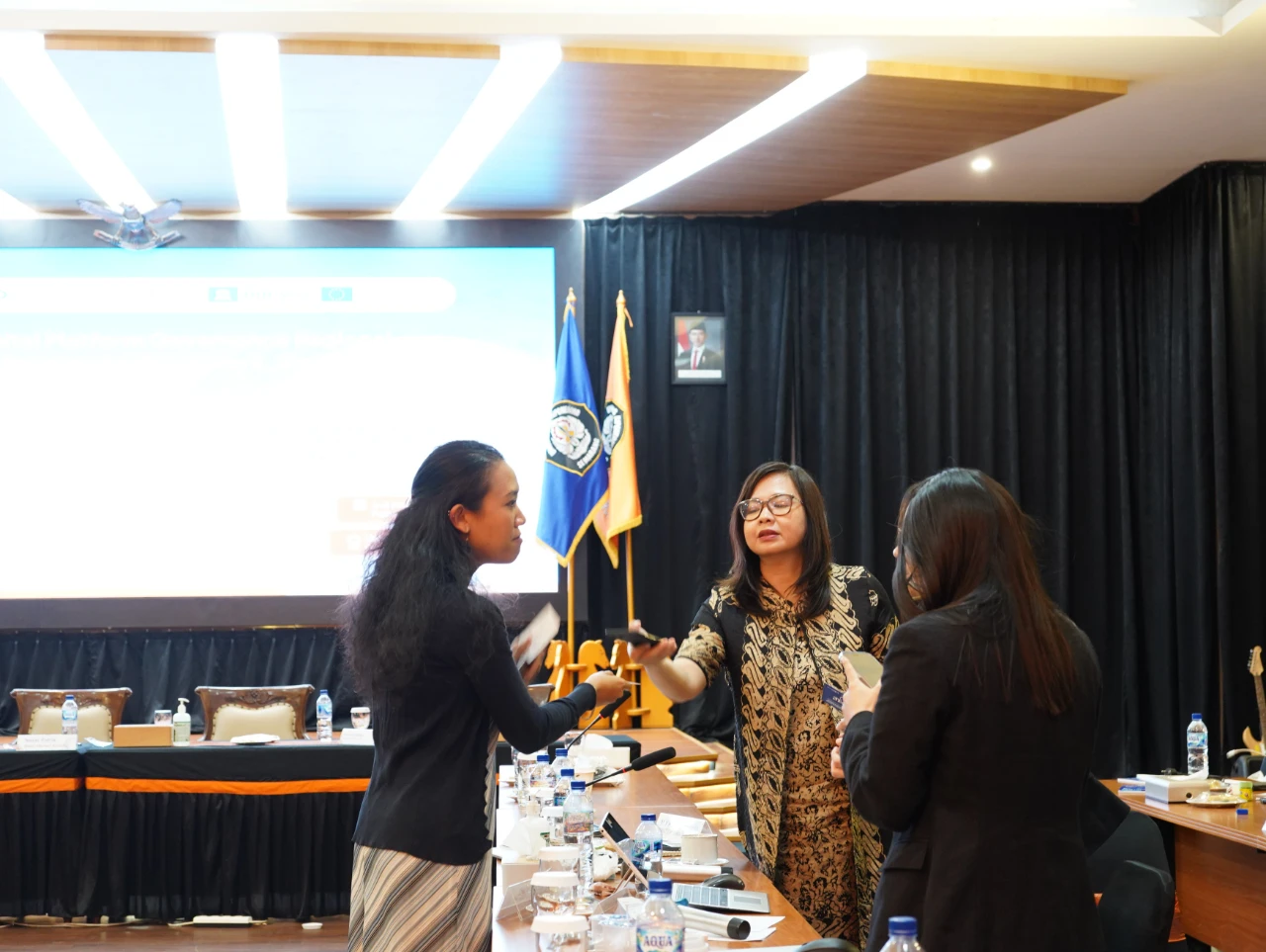
Semarang, 7 May 2026 – On the second day of the Capacity Building Workshop on Digital Platform Governance, organized by UNESCO in collaboration with the Faculty of Social and Political Sciences at Diponegoro University (UNDIP), activities focused on regulators and representatives of digital platforms from Indonesia, the Philippines, and Singapore. The workshop aimed to enhance the capacity of stakeholders to apply international human rights-based standards in digital platform governance across Southeast Asia.
Participants reviewed the UNESCO Guidelines for Digital Platform Governance, including practices for transparency, accountability, and the protection of digital rights, while discussing regional challenges such as disinformation, crisis response, and gender equality in digital spaces. The workshop emphasized hands-on activities, including designing model platform transparency reporting requirements and reviewing case studies from the European Union, Brazil, and Australia that could be adapted to the Southeast Asian context.
 |
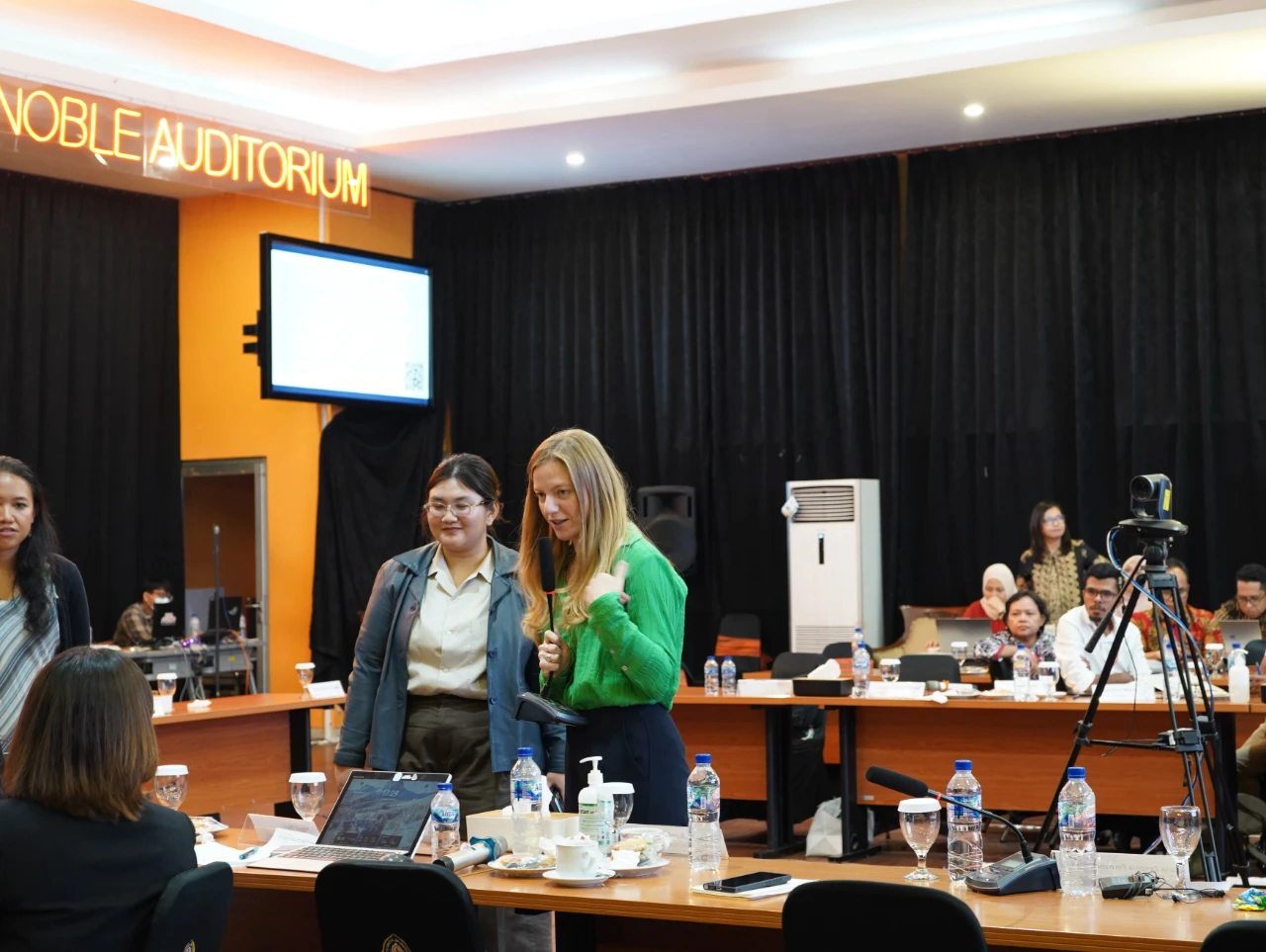 |
Ana Lomtadze from UNESCO Jakarta emphasized that user empowerment and multi-stakeholder engagement are key to creating a safe and inclusive digital space, while Prof. Weiyu Zhang from Civic Tech Lab highlighted the importance of evidence-based oversight and risk mitigation in platform governance.
The workshop also addressed privacy and digital exploitation issues. Ana Lomtadzhe, UNESCO Programme Specialist, stressed the need to balance security, user privacy, freedom of expression, and the right to information. Dr. Wijayanto, UNDIP Vice Rector for Research, Innovation, Collaboration, and Public Communication, added that the resulting toolkit would reflect a comprehensive dialogue among regulators, civil society, academics, media, and digital platforms.
Dean of UNDIP FISIP, Dr. Drs. Teguh Yuwono, M.PolAdmin, told the media that the initiative aims to strengthen digital security in Southeast Asia through multi-stakeholder collaboration. “In this rapidly evolving digital environment, protection for users and society is necessary, particularly through collaboration among multiple stakeholders,” he said. (WNIS)