
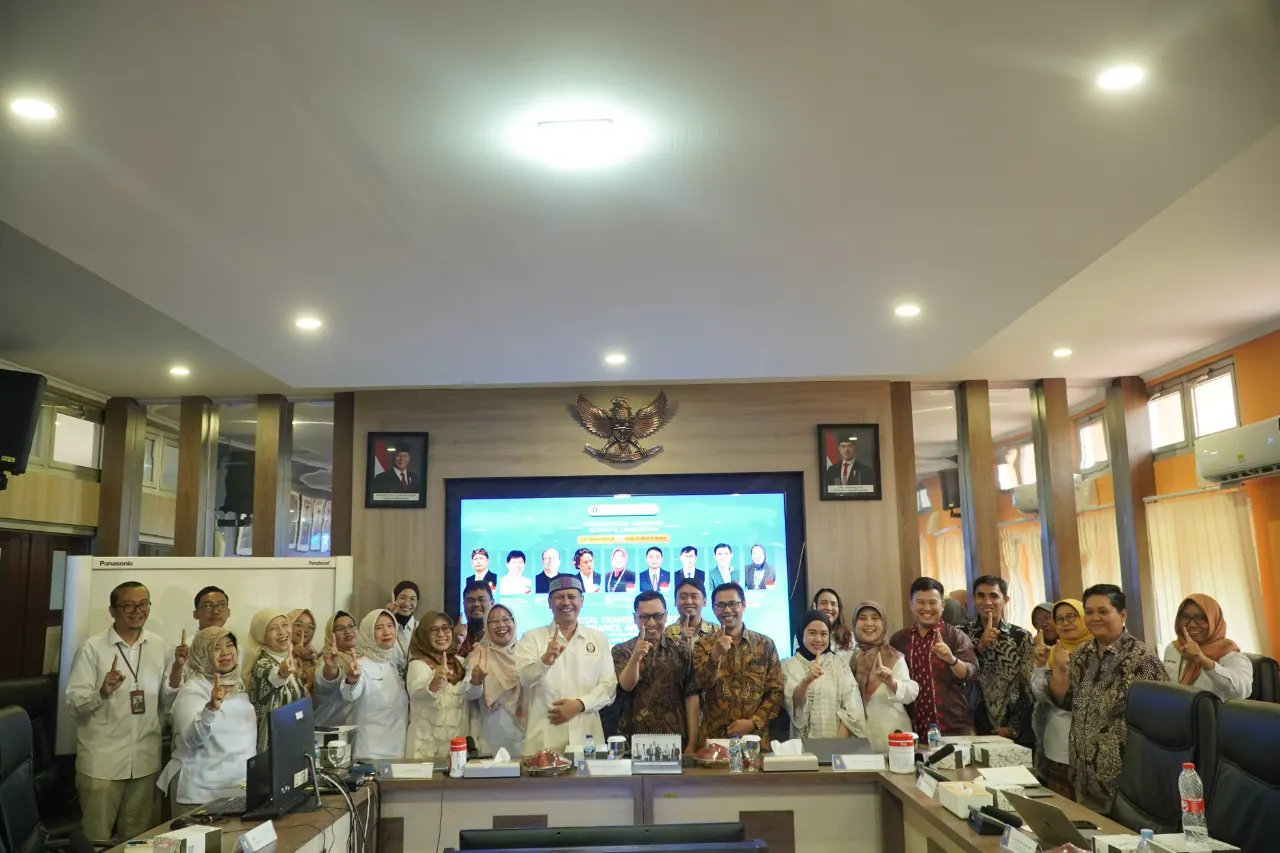
Semarang, Indonesia, November 23, 2026 – The Faculty of Social and Political Sciences, Universitas Diponegoro (FISIP UNDIP), is hosting the International Workshop Scientific Consortium for International Reputable Edited Volume on Monday, November 23, 2026. Under the theme “Digital Transformation, Governance, and the SDGs,” the workshop brings together academics and researchers from leading universities in Indonesia and abroad to explore the intersections of digital transformation, social change, public governance, and sustainable development.
Conducted in a hybrid format at the FISIP UNDIP Senate Meeting Room and via Zoom, the workshop features the subtheme “Digital Society and Sustainable Development: The Role of Technology, Social Change, and Public Governance.” The event provides an international academic platform for exchanging perspectives, fostering research collaboration, and advancing scholarly contributions toward the development of an internationally reputable edited volume.
The workshop features distinguished academics from several international institutions, including Prof. Dr. Drs. Teguh Yuwono, M.Pol.Admin., Dean of FISIP UNDIP; Professor Alex Brillantes, Jr., Ph.D. from the University of the Philippines; Thomas Seitz, Ph.D. from the University of Wyoming, United States; and Nick Tobia, Ph.D. from Ateneo de Manila University, Philippines.
Prominent Indonesian scholars are also participating in the consortium, including Prof. Dr. Dra. Hartuti Purnaweni, MPA. from Universitas Diponegoro; Dr. phil. Reza Fathurrahman, MPP. from Universitas Indonesia; Wawan Mas’udi, S.IP., M.P.A., Ph.D. from Universitas Gadjah Mada; and Iradhad Taqwa Sihidi, S.IP., M.A. from Universitas Muhammadiyah Malang.
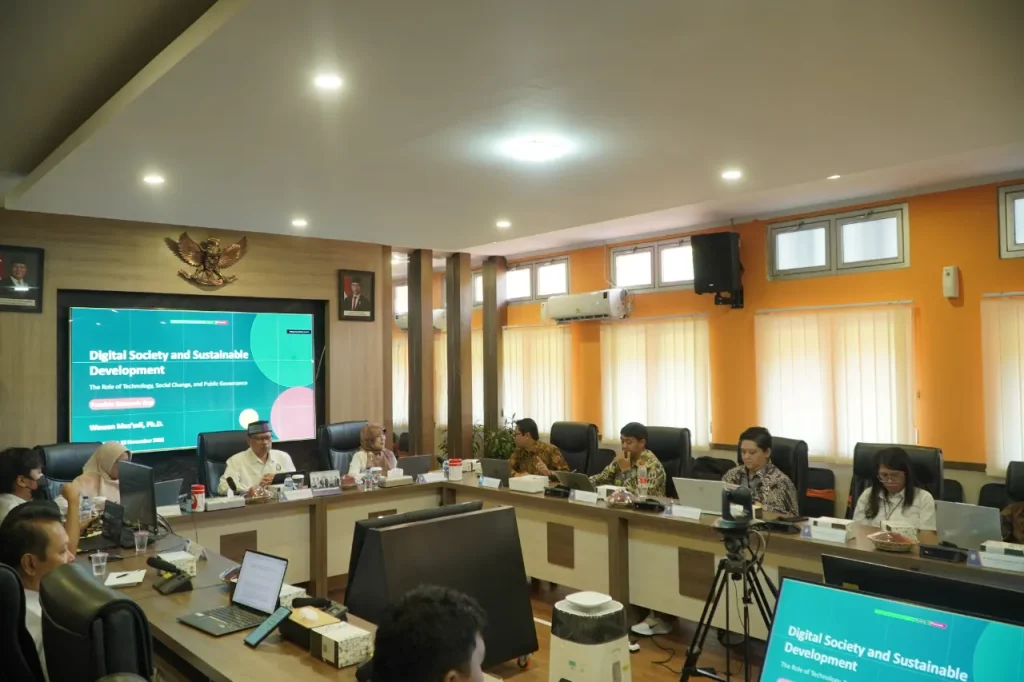
Digital transformation has become an increasingly significant force reshaping contemporary societies, particularly in the areas of public administration, governance, public service delivery, and citizen participation. While technological advancements offer opportunities to improve government effectiveness, transparency, and responsiveness, they also raise critical questions concerning digital inequality, social inclusion, institutional capacity, and sustainable development.
Against this background, the workshop seeks to advance scholarly dialogue on digital transformation as a multidimensional process involving technological innovation, institutional adaptation, and social change. Particular attention is given to understanding how public governance can respond to these transformations while contributing to the achievement of the United Nations Sustainable Development Goals (SDGs).
By bringing together scholars from Indonesia, the Philippines, and the United States, the consortium offers opportunities to exchange comparative insights and interdisciplinary perspectives on the evolving relationships among technology, society, and governance. These academic interactions are expected to contribute to a deeper understanding of the opportunities and challenges associated with building inclusive, accountable, and sustainable digital societies.
Beyond facilitating academic discussions, the workshop also seeks to strengthen international research networks and encourage collaborative scholarly publications through the development of an internationally reputable edited volume. This initiative is expected to generate valuable academic contributions to the fields of public administration, digital governance, social transformation, and sustainable development.
The organization of the International Workshop Scientific Consortium reflects FISIP UNDIP’s continuing efforts to expand its international academic engagement, strengthen cross-institutional research collaboration, and enhance its contribution to global scholarly discourse.
Through this initiative, FISIP UNDIP aims to foster a collaborative and internationally connected academic environment that supports innovative research, knowledge exchange, and meaningful contributions to addressing contemporary governance and sustainable development challenges in the digital era.