

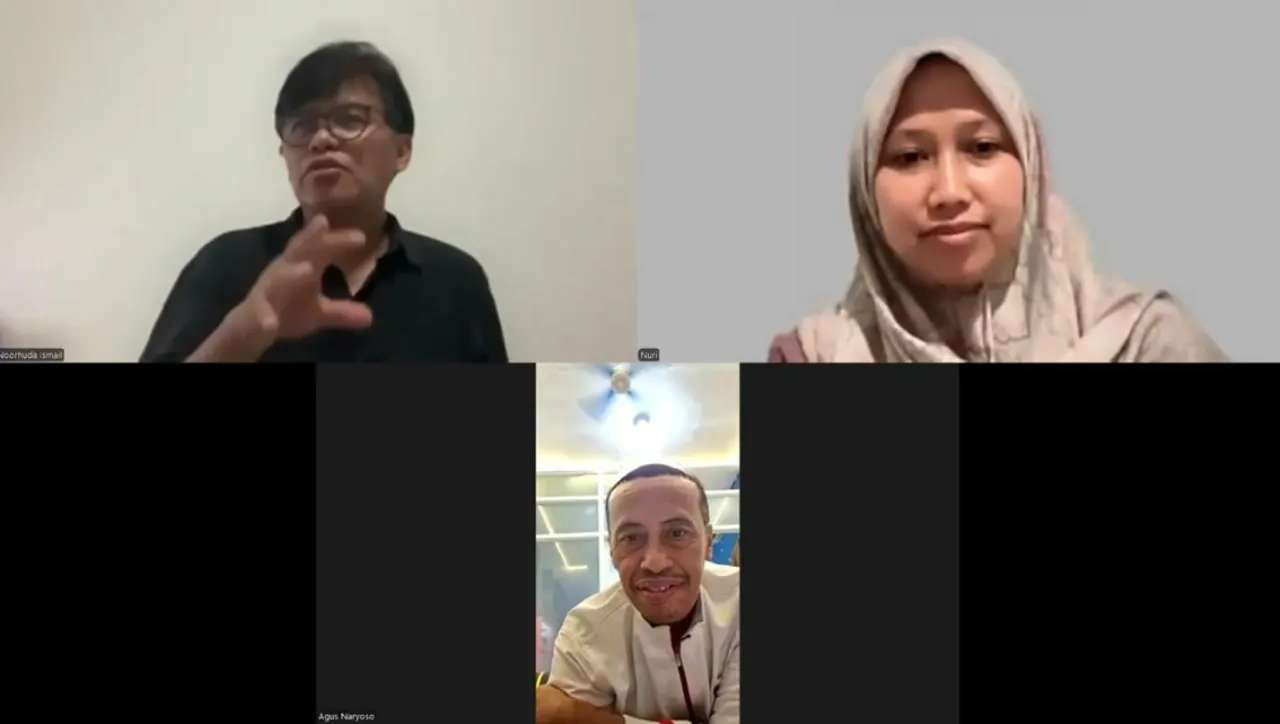
SEMARANG – The Faculty of Social and Political Sciences (FISIP), Universitas Diponegoro, through its Media Sociology Expertise Group (KBK Sosiologi Media), in collaboration with the Master’s Programme in Communication Science, hosted an Undip Global Classroom session entitled “Managing Crises in the Age of Digital Propaganda: Strategic Communication, Persuasion, and Counter-Narratives” on Friday, November 6, 2026. Held online via Zoom Meeting, the session brought international perspectives to discussions on communication challenges, digital propaganda, extremist narratives, and crisis management strategies amid the rapid flow of digital information.
The session featured Dr. Noor Huda Ismail, Visiting Fellow at the S. Rajaratnam School of International Studies (RSIS), Nanyang Technological University (NTU), Singapore, as the guest speaker. The discussion was moderated by Dr. Phil. Nuriyatul Lailiyah, S.Sos., M.I.Kom., a lecturer at the Department of Communication Science, FISIP UNDIP, and a member of the Media Sociology Research Group.
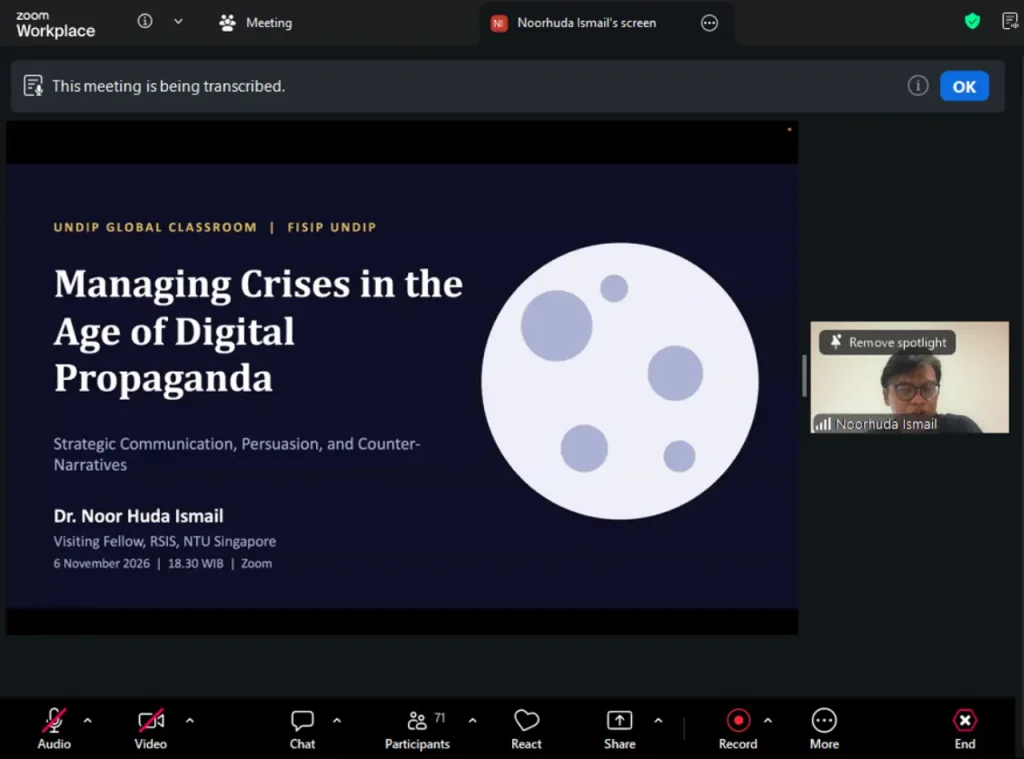
Digital Propaganda, Identity, and the 4C Framework in Crisis Management
During his presentation, Dr. Noor Huda Ismail emphasized that extremism and crises in the digital age are not merely security issues, but are also closely connected to communication, identity, and the human need for belonging. The development of digital ecosystems allows narratives to spread rapidly and influence public perceptions. This is particularly relevant in Indonesia, where internet penetration reached 80.5% according to DataReportal Digital 2026, while 64% of Indonesians accessed news through social media, as reported by the Reuters Institute Digital News Report 2026.
Furthermore, modern propaganda does not operate solely through the dissemination of information. It also builds emotional connections and a sense of belonging. Propaganda narratives may exploit grievances, construct enemy figures, establish heroic identities, offer simplistic explanations for complex issues, and promise transformation. Emotions such as anger, humiliation, and fear can then be amplified through algorithmic mechanisms, making repeated messages increasingly appear credible.
Consequently, addressing digital propaganda requires more than fact-checking and factual corrections. Communication strategies must also consider audiences’ emotional needs, characteristics, and the social and cultural contexts that shape their acceptance of particular narratives.
To address these challenges, Dr. Noor Huda introduced the 4C Framework as an approach to crisis communication:
- Credibility: Engaging trusted messengers, maintaining consistent communication, and being transparent about information and uncertainty.
- Clarity: Delivering clear and accessible messages through human-centred stories without confusing jargon.
- Community: Prioritizing listening before responding and empowering trusted community members.
- Culture: Incorporating local languages, cultural references, and local and religious values into communication strategies.
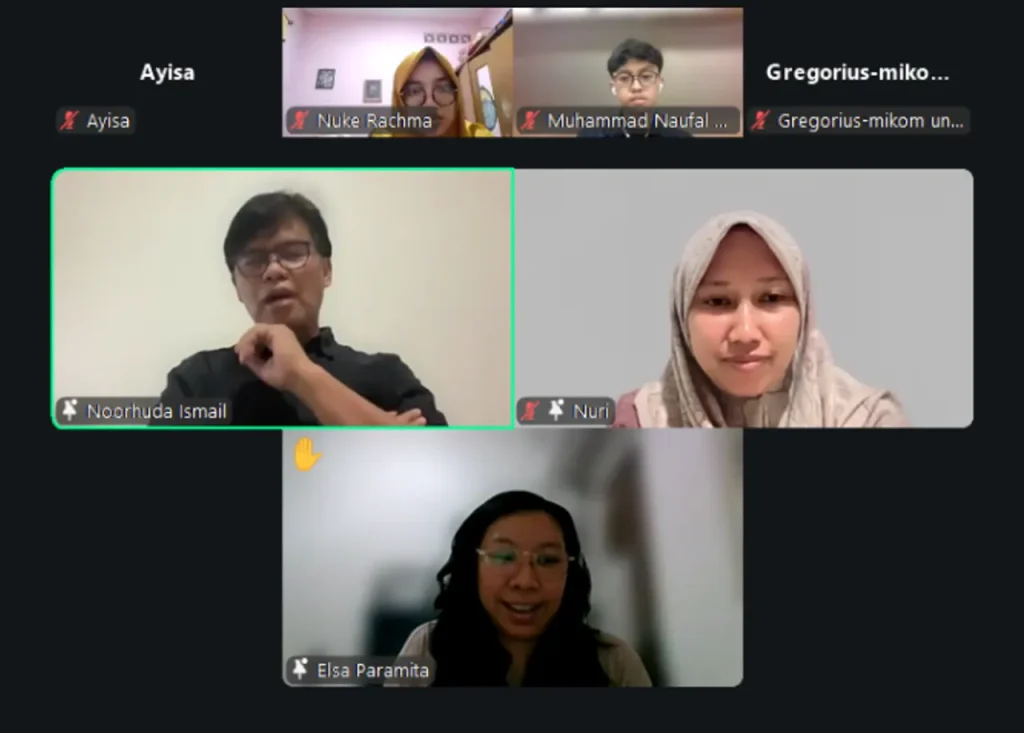
The discussion also explored the challenges posed by artificial intelligence (AI), particularly deepfake technology, which has contributed to the emergence of The Liar’s Dividend. This phenomenon describes how the existence of digital manipulation technologies can make even authentic evidence easier to dismiss as fabricated.
In this context, Dr. Noor Huda also highlighted the importance of Interruption Literacy as an approach that goes beyond conventional digital literacy. Rather than simply identifying harmful content, this approach encourages people to understand why certain content or narratives become meaningful and appealing to particular individuals. Prevention efforts therefore require an understanding of personal circumstances, social relationships, and the underlying needs that may contribute to an individual’s engagement with extremist narratives.
Collaboration between the Media Sociology Expertise Group and Master’s Programme in Strengthening Academic Internationalization
The Undip Global Classroom is part of the academic initiatives of FISIP UNDIP’s Media Sociology Expertise Group, which focuses on the relationship between media, society, and various social phenomena in contemporary communication.
The Expertise group is chaired by Dr. Nurul Hasfi, M.A., and comprises Dr. Agus Naryoso, S.Sos., M.Si., Dr. Yanuar Luqman, M.Si., Muchamad Yuliyanto, S.Sos., M.Si., Dr. Phil. Nuriyatul Lailiyah, S.Sos., M.I.Kom., Herlina Kusumaningrum, S.Sos., M.A., and Muhammad Rif’at Al-Razi, S.I.Kom., M.I.Kom.
Within FISIP UNDIP’s academic structure, Dr. Agus Naryoso also serves as the Head of the Department of Communication Science, while Dr. Yanuar Luqman serves as the Head of the Master’s Programme in Communication Science. The collaboration between the expertise group and the programme represents an effort to strengthen academic activities, develop scholarly research, and facilitate knowledge exchange with international academics.
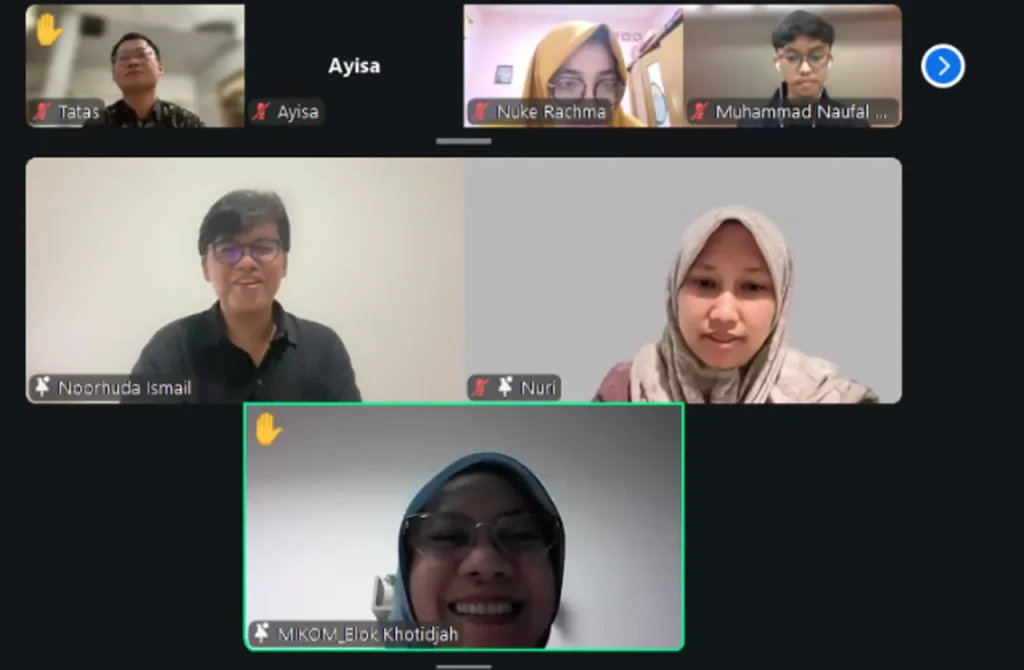
For students of the Master’s Programme in Communication Science, this session provided an opportunity to broaden their perspectives on strategic communication challenges at the global level. Students were encouraged not only to understand digital propaganda as a media phenomenon but also to examine its connections with identity, social relations, culture, and societal dynamics.
The discussion also created opportunities to explore community-based interventions, including the idea of Cek Fakta Kampung (Community-Based Fact-Checking), as an example of collaborative initiatives to strengthen information resilience and maintain social cohesion at the grassroots level.
Through Undip Global Classroom, FISIP UNDIP continues to expand international academic collaboration while strengthening the connections between scholarly development, research activities, and learning processes. The participation of an academic from NTU Singapore is expected to provide new perspectives for the academic community in understanding and responding to communication challenges in the digital age.
Writer: Muhammad Rif’at Al-Razi