

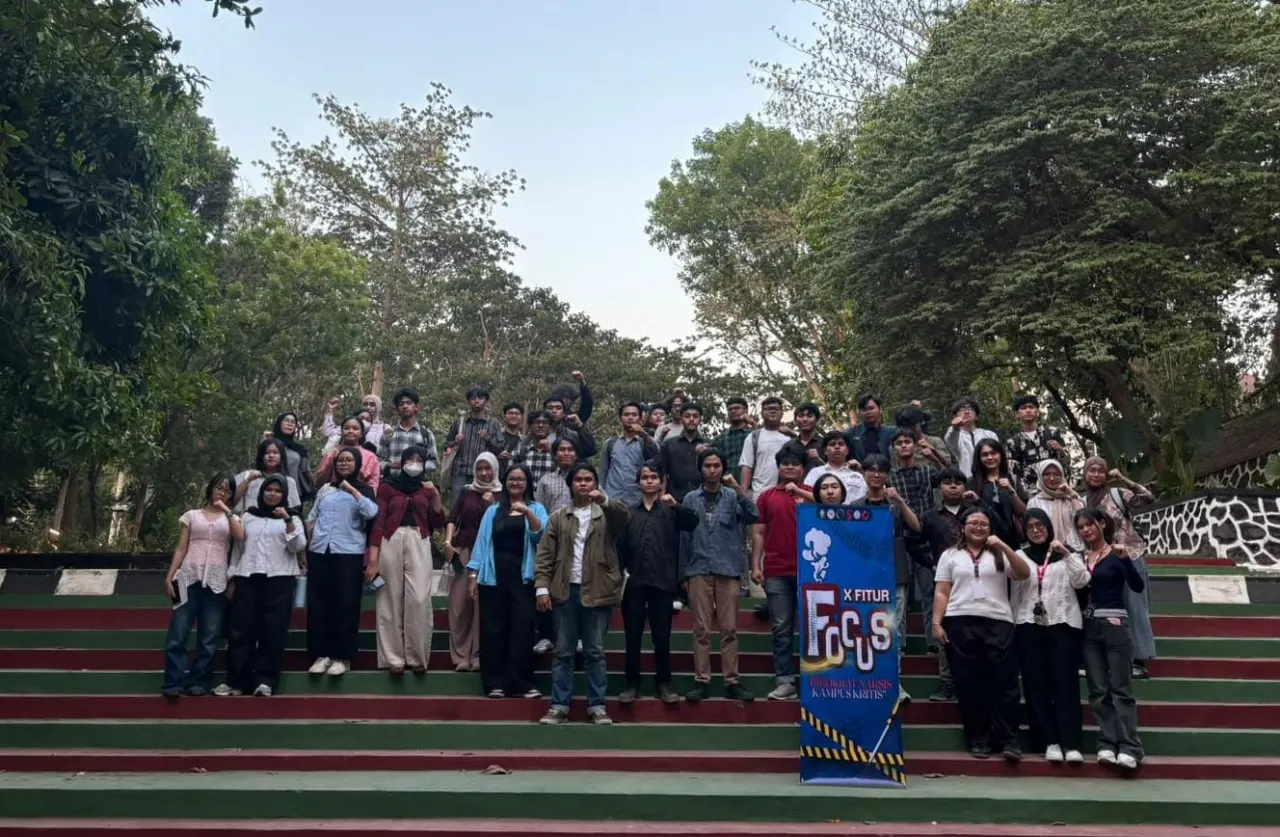
Semarang, October 19, 2026 – Forum Discussion (FOCUS) 2 was held on Monday, October 19, 2026, at Tanah Merah, Faculty of Social and Political Sciences (FISIP), Universitas Diponegoro. The event carried the theme “Growing Numbers, Limited Space: Is FISIP Truly Ready?” as a discussion space for students to address various issues encountered during their academic life, particularly concerning limited classroom space, campus facilities, and bureaucratic policies. The event featured Rayyi Mufid Tsaraut Muzhaffar as the discussion starter alongside Tristan Yannitra Rayo. The discussion was attended by students who shared their experiences, perspectives, and critiques of various issues within the campus environment. Through this forum, participants were encouraged to examine campus problems not only from the perspective of facilities but also through the lenses of politics, power relations, and students’ critical awareness.
The series of activities began with committee preparations and participant registration, followed by the introduction of the speakers and the presentation of materials. The discussion addressed the disparity between the growing number of students and the availability of adequate classroom space. The use of lecture rooms outside the FISIP environment was one of the issues highlighted, as it creates obstacles related to mobility, time, and transportation. In addition, participants discussed supporting facilities, such as Dipyo and e-bikes, which were considered to still have limitations in meeting students’ needs. The discussion then expanded to the issue of hegemony within the campus environment, namely the tendency of students to accept conditions and policies deemed unfavorable without questioning them further. A number of participants emphasized the importance of students’ courage in voicing their aspirations, critiquing bureaucratic policies, and building political awareness within the campus environment. On the other hand, views also emerged that students need to remain focused on the primary purpose of education and to consider the efforts that the campus has made in providing supporting facilities.
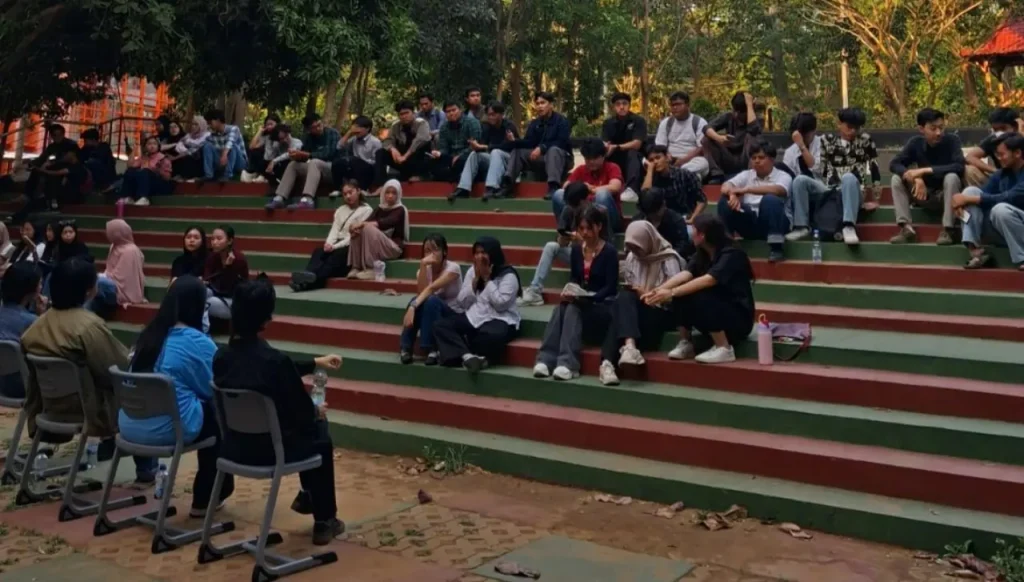
Differences in perspective also became apparent when participants discussed publication activities and campus bureaucratic imaging. Some participants considered that publication can have a positive impact on improving the faculty’s ranking and attracting prospective students to enroll. However, other participants argued that a positive image must be balanced with improvements to the bureaucratic system and the provision of adequate facilities. This discussion demonstrated the diversity of views regarding campus development priorities and the relationship between institutional image and student needs. Following the forum discussion session, participants were divided into small groups to analyze the issues and formulate collective viewpoints. The results of the discussions were then presented by group representatives and followed by a generalization session and feedback from the speakers. In this session, ideas emerged regarding the importance of building collective awareness, organizing public hearings, and initiating open forums as a means for students to convey their aspirations to the campus administration.
Through the implementation of FOCUS 2, students gained a space to exchange ideas, voice critiques, and understand campus issues from various perspectives. The event is expected to encourage the growth of critical awareness and student participation in responding to issues within the academic environment. More than just a discussion forum, FOCUS 2 served as a space for collective reflection on the importance of openness to student aspirations and the need for sustained efforts to realize an educational environment that is more responsive to the needs of the academic community.