

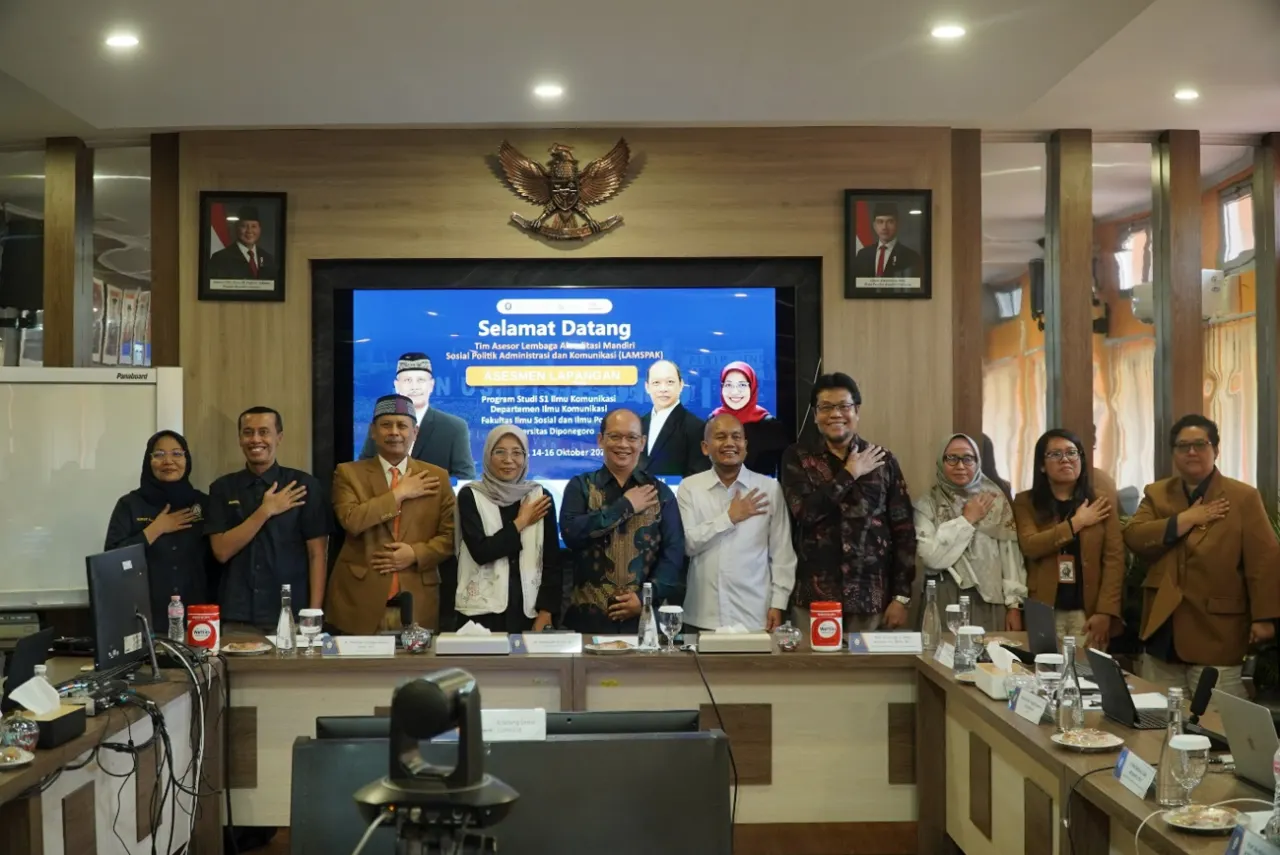
Semarang – The Undergraduate Communication Science Study Program at the Faculty of Social and Political Sciences (FISIP), Universitas Diponegoro (UNDIP), underwent an accreditation field assessment conducted by the Independent Accreditation Institute for Social Sciences, Political Sciences, Public Administration, and Communication (LAMSPAK) on October 14–16, 2026. Held in the FISIP UNDIP Senate Meeting Room, the assessment formed part of the faculty’s ongoing efforts to evaluate and improve the quality of education while reinforcing its commitment to academic excellence and effective governance.
The field assessment involved two LAMSPAK assessors, Dr. Irwansyah, S.Sos., M.A., and Dr. Pandan Yudhapramesti, S.Sos., M.T. The event was attended by university leaders, faculty leadership, and the management teams of the Department and Undergraduate Communication Science Study Program at FISIP UNDIP.
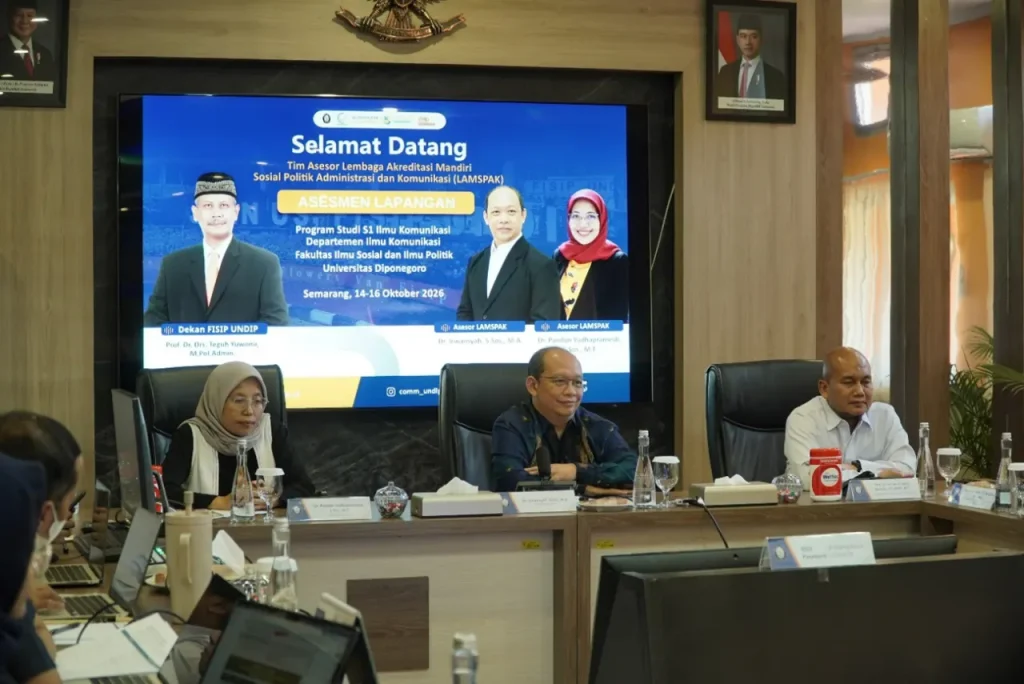
As the Rector of UNDIP was unable to attend, the university was represented by Vice Rector I, Prof. Dr.rer.nat. Ir. Heru Susanto, S.T., M.M., M.T. The event was also attended by Prof. Anis Chariri, Chair of the Institute for Educational Development and Quality Assurance (LP2MP) at UNDIP.
The first day began with the singing of the Indonesian national anthem, Indonesia Raya, followed by remarks from UNDIP Vice Rector I. In his address, Prof. Heru Susanto expressed his appreciation to the LAMSPAK assessors and the entire FISIP UNDIP management team for their preparations for the field assessment.
He emphasized that complete data and documentation are essential to supporting the assessment process. The availability of accurate, relevant, and accountable evidence is an important component in ensuring that educational delivery meets the established quality standards.
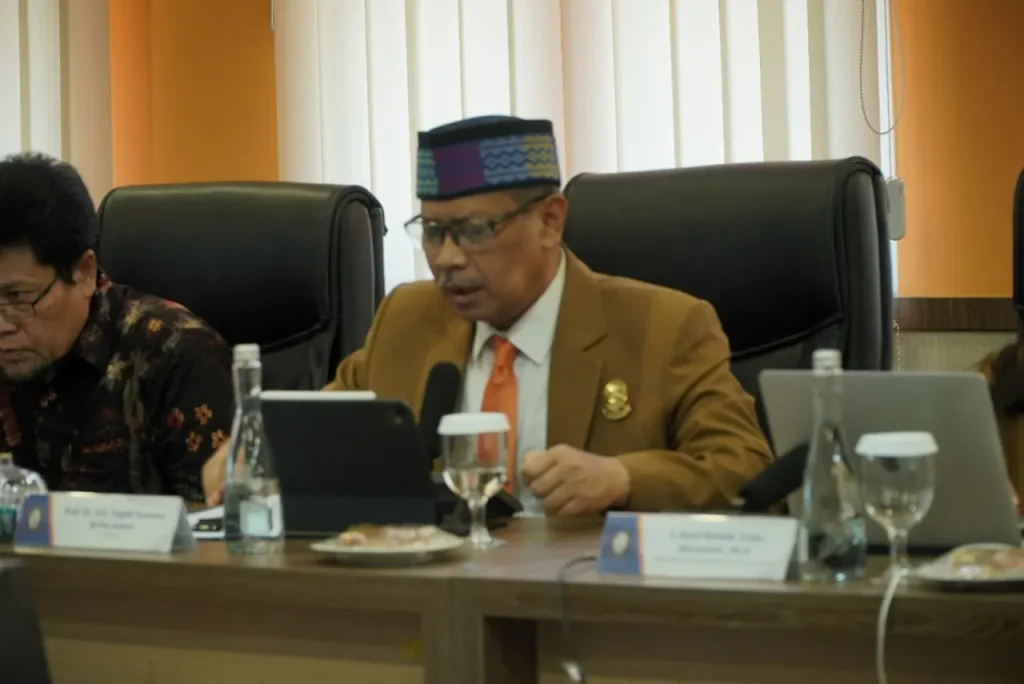
The event continued with remarks from the Dean of FISIP UNDIP, Prof. Dr. Drs. Teguh Yuwono, M.Pol.Admin., who welcomed the two LAMSPAK assessors to FISIP UNDIP. In his address, Prof. Teguh expressed his hope that the assessment would proceed smoothly and yield outcomes that support the continued improvement of the Undergraduate Communication Science Study Program.
The Dean also emphasized his expectation that the study program would maintain its Unggul (Excellent) accreditation status while continuously improving the quality of education, governance, human resources, student affairs, and academic and non-academic achievements.
He further highlighted that accreditation is not merely an evaluation of compliance with established standards, but also an opportunity for the study program to identify its strengths, assess areas for improvement, and formulate strategic measures for continuous quality enhancement.
Following the opening remarks, the first day’s activities continued with the examination and verification of the Study Program Evaluation Document (FED), as part of the process of validating the documents and information prepared by the study program.
On the second day, Thursday, October 15, 2026, the activities began with visits to several learning facilities supporting the Undergraduate Communication Science Study Program at FISIP UNDIP. These included the Multimedia Laboratory, Computer Laboratory, classrooms, and library. The visits formed part of the assessors’ review of the availability of facilities and infrastructure supporting the learning process and the development of students’ competencies.
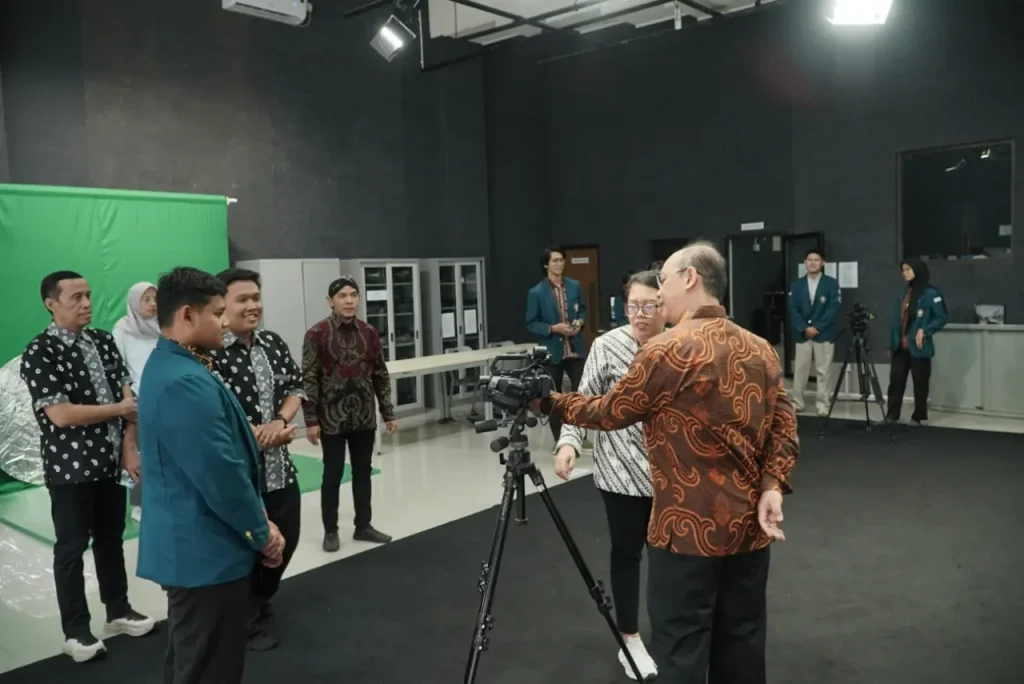
The agenda continued with parallel interview sessions involving various study program stakeholders. The first assessor, Dr. Irwansyah, S.Sos., M.A., conducted interviews with the leadership of the Study Program Management Unit (UPPS), quality assurance representatives, and the information technology (IT) team.
At the same time, the second assessor, Dr. Pandan Yudhapramesti, S.Sos., M.T., interviewed alumni, graduate employers and users, students, educational staff, lecturers, and laboratory heads. These sessions provided stakeholders with opportunities to share their experiences, perspectives, and evaluations regarding educational delivery, the learning process, academic services, and the relevance of graduate competencies to the needs of the professional world.
The assessment process subsequently continued with clarification of the FED, independent assessor work, and a discussion of the assessment results before the closing session. All these stages formed an integral part of the comprehensive evaluation of the quality of the Undergraduate Communication Science Study Program at FISIP UNDIP.
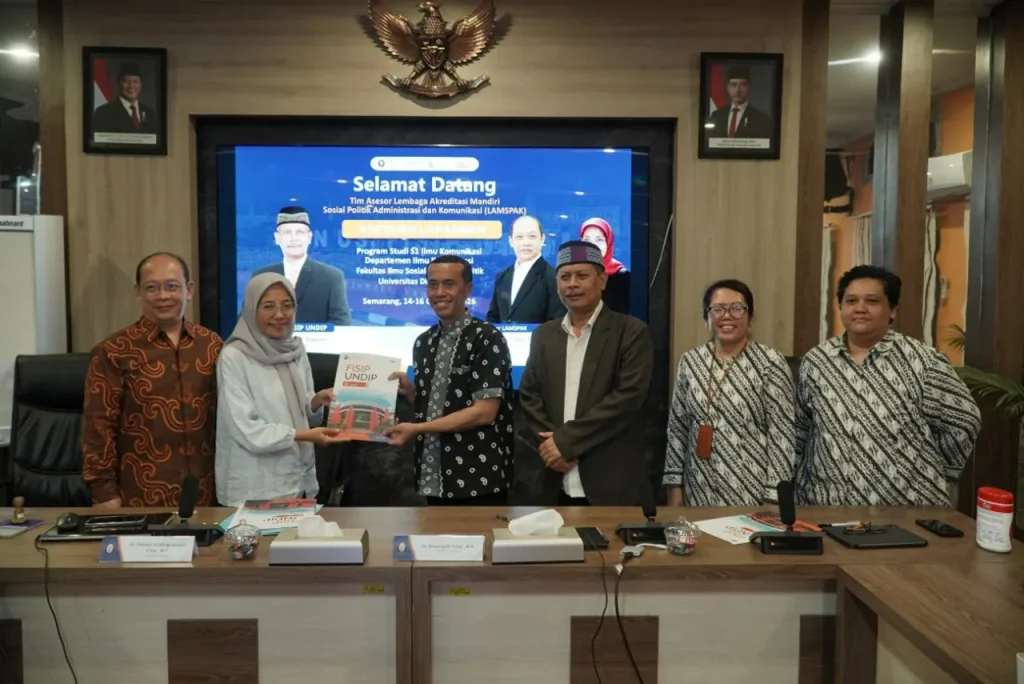
At the conclusion of the activities, both assessors expressed their appreciation and gratitude for the cooperation demonstrated by all members of the academic community throughout the field assessment. Their appreciation extended to faculty leaders, lecturers, students, and educational staff who contributed to the preparation and implementation of the assessment.
The field assessment served as an important opportunity for FISIP UNDIP to strengthen its quality culture and ensure that study program development remains focused on continuous educational improvement. The involvement of various stakeholders also demonstrated the importance of collaboration in maintaining the relevance of learning, strengthening governance, and producing competent graduates capable of responding to societal challenges.
FISIP UNDIP hopes that the Undergraduate Communication Science Study Program will maintain its Unggul (Excellent) accreditation status while continuing to improve the quality of education and strengthen its contributions to the university and society.
Furthermore, these quality improvement efforts are expected to support FISIP UNDIP’s strategic development agenda by strengthening its academic reputation, expanding international collaboration networks, and advancing the internationalization of education. These initiatives align with FISIP UNDIP’s aspiration to enhance its institutional competitiveness and contribute to UNDIP’s broader ambition of entering the world’s top 300 university rankings.