
Tembalang, (06/06) — The 2026 Public Goes to Public work program, organized by the Department of Social Affairs of the Public Administration Student Association, Faculty of Social and Political Sciences, Universitas Diponegoro, was officially held. Carrying the theme “ARUNIKA: Accelerating MSMEs and Innovating Tourism Villages,” the initiative centered on enhancing community awareness regarding the significance of managing and developing tourism potential through participatory, community-based approaches.
The event took place on June 6, 2026, in Meteseh Village, Tembalang District, Semarang City, Central Java. The program featured an educational session entitled “Branding Strategy and Digitalization of MSMEs in Enhancing Local Competitiveness,” a topic selected in response to the community’s pressing need for deeper insight into digital transformation and strategic branding to strengthen their position in the local economy.
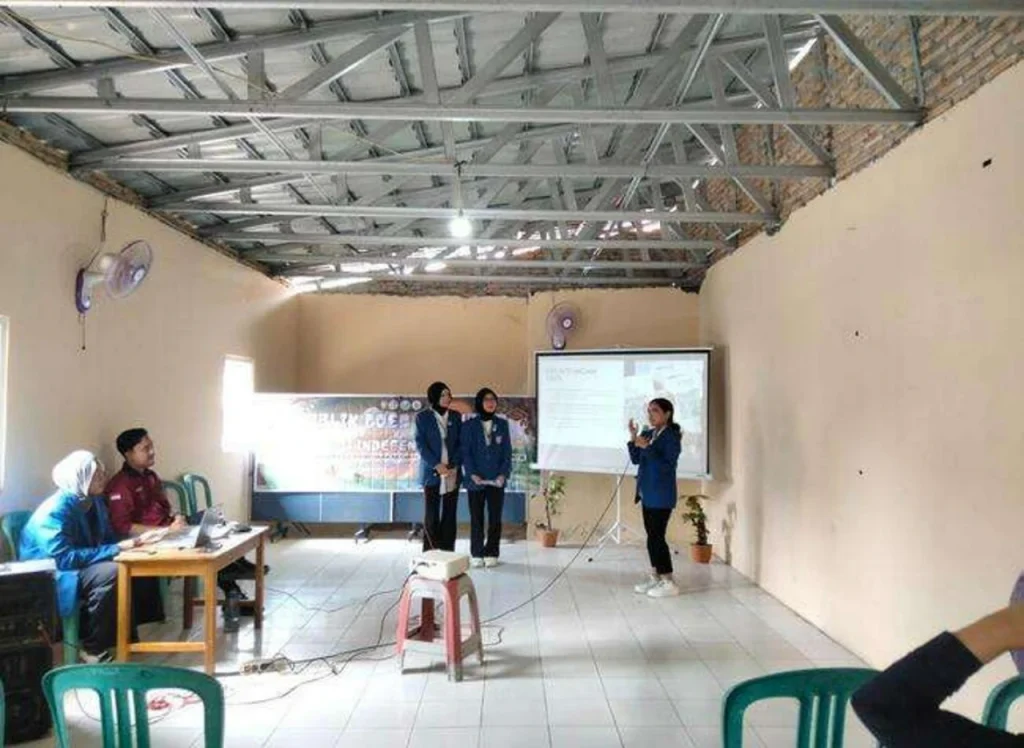
The session was led by Muhammad Rizki Fitrianto, M.AP., a faculty advisor and lecturer in the Public Administration Study Program. At the outset, Fitrianto underscored the pivotal role of tourism villages in improving community economic welfare through the development of micro, small, and medium enterprises (MSMEs). He explained that the presence of tourists not only generates direct benefits within the tourism sector but also opens a wide array of business opportunities for local residents—ranging from food and beverage services, tour guiding, and homestays, to the sale of distinctive village souvenirs. This dynamic, he noted, ensures that economic circulation remains within the village, providing supplementary income to the local population.
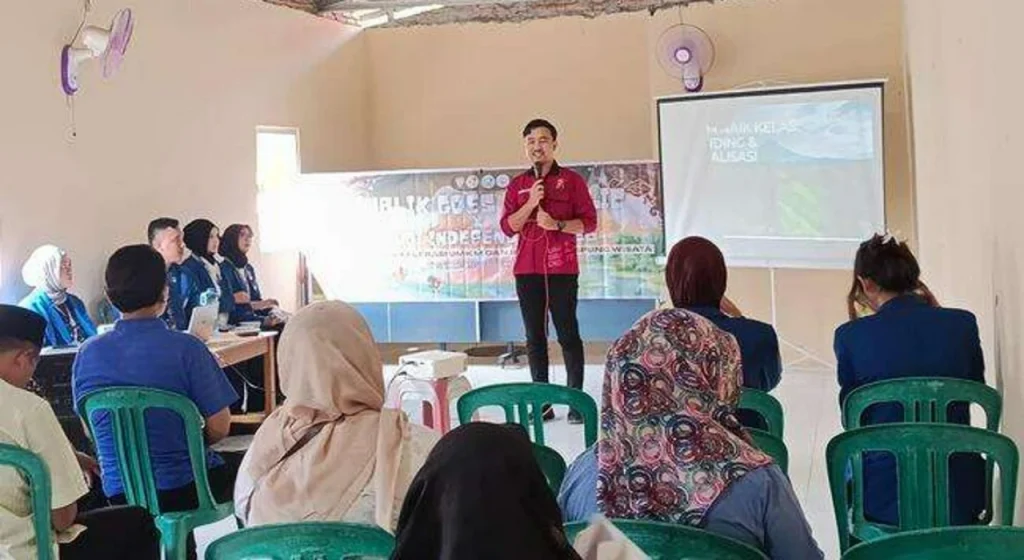
To further strengthen the tourism village ecosystem, the lecturer emphasized the importance of hospitality and quality service, including warm smiles, courteous greetings, environmental cleanliness, and the creation of a safe and comfortable atmosphere for visitors. He also encouraged participants to actively explore and capitalize on the various business prospects available.
Moreover, Fitrianto invited attendees to take a closer look at their village’s inherent assets—natural beauty, cool fresh air, and well-preserved landscapes—which he described as invaluable capital for attracting tourists. These local potentials, he stressed, must be optimally utilized as the primary foundation for developing the tourism village while simultaneously reinforcing the community’s economic foundation through MSME activities.
In the final segment of the educational session, the discussion turned to digitalization as a strategic lever for boosting competitiveness and expanding market reach. The lecturer highlighted that smartphones serve not merely as communication tools but also as effective platforms for digital marketing and transactions. Participants were introduced to various methods of leveraging digital media to promote products to broader audiences, as well as the adoption of non-cash payment systems such as QRIS, which are increasingly prevalent in business operations. The use of digital technology, he noted, enhances operational efficiency, simplifies transaction processes, and offers greater convenience for customers.
Beyond theoretical instruction, the session also incorporated a hands-on workshop facilitated by committee members. Participants received direct guidance on implementing digitalization in their businesses, with a particular focus on the registration, usage, and benefits of QRIS as a digital payment method.
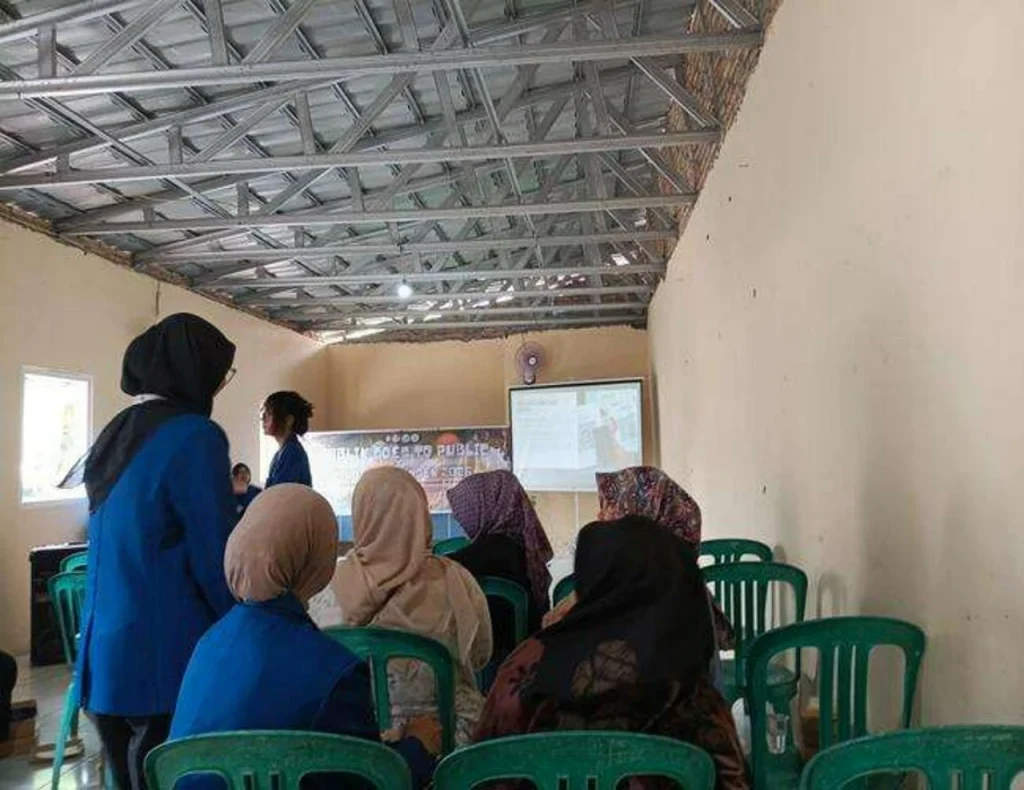
Through this practical exercise, attendees gained a more profound understanding of QRIS implementation and were given the opportunity to ask questions and consult on challenges they might face in adopting digital tools. With this direct assistance, participants are expected to be better prepared to integrate digital technology into the management and development of their MSMEs within the village context.
The educational session concluded with an interactive question-and-answer segment, during which participants shared experiences, posed inquiries, and engaged in discussions on various aspects of MSME development, tourism villages, and business digitalization. Following the discussion, the event proceeded with an award ceremony to recognize partners who had supported the program’s implementation, alongside the launch of new waste disposal facilities—a concrete step toward maintaining cleanliness and environmental sustainability within the tourism area. The event was conducted jointly with activity partners, including Kumaidi, a representative of the Dung Tungkul management, and Tri Widodo, a representative of the Kelurahan (Sub-district Office). This ceremony marked the closing of the official program series and symbolized a shared commitment to fostering a clean, comfortable, and sustainable tourism environment for the local community.
The activities then moved to the Dung Tungkul tourism site, the venue for the field implementation. Before commencing the community clean-up, all participants, committee members, and partners took part in a group exercise session designed to boost morale, maintain physical fitness, and strengthen camaraderie. The enthusiastic and friendly atmosphere during the exercise helped cultivate a spirit of mutual cooperation that carried through the subsequent activities.
Following the exercise, all parties—committee members, partners, and local residents—conducted a collective clean-up effort to clear the tourism area of litter and debris. The work included collecting scattered waste, cleaning pathways and tourist facilities, and tidying the surroundings to create a cleaner, more organized, and visitor-friendly environment. Beyond improving the physical condition of the site, the activity also served as a means of raising collective awareness about the critical role of cleanliness as a factor supporting tourism appeal. Through the exercise and clean-up activities, strong collaboration, solidarity, and a shared sense of purpose were fostered among the committee, partners, and local community in realizing a healthy, clean, and sustainable tourist destination.
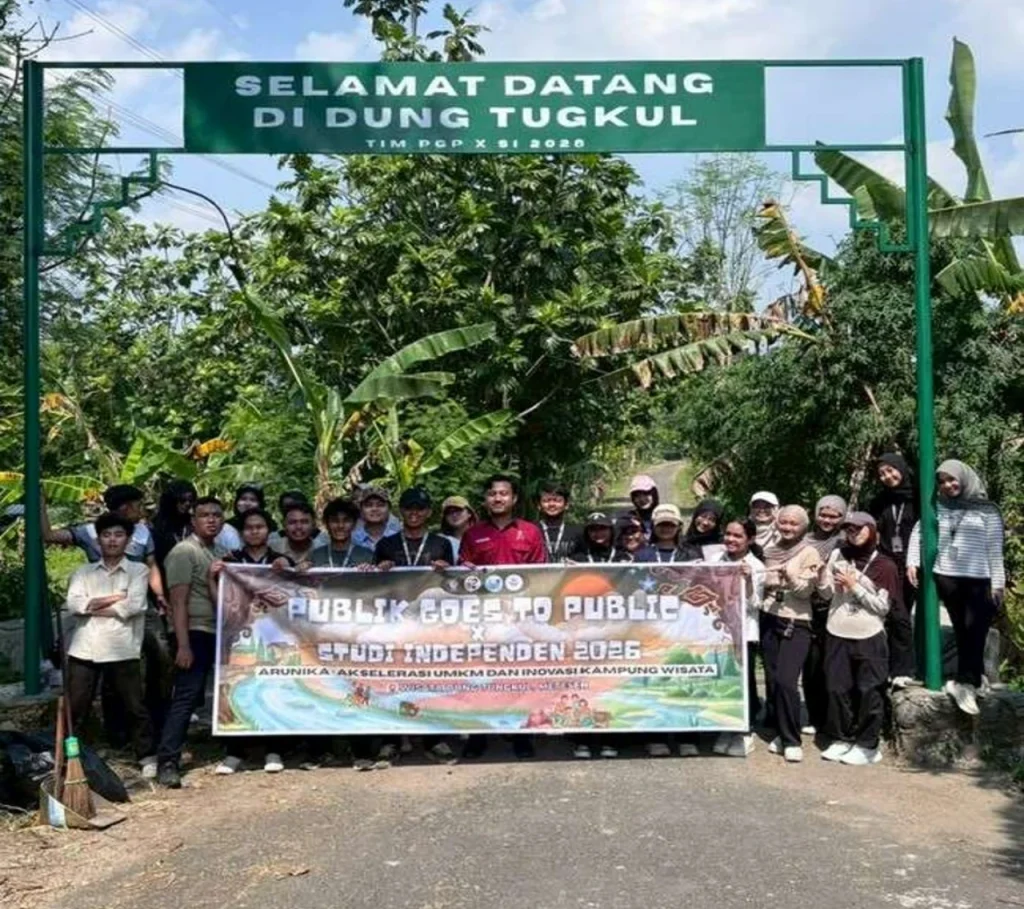
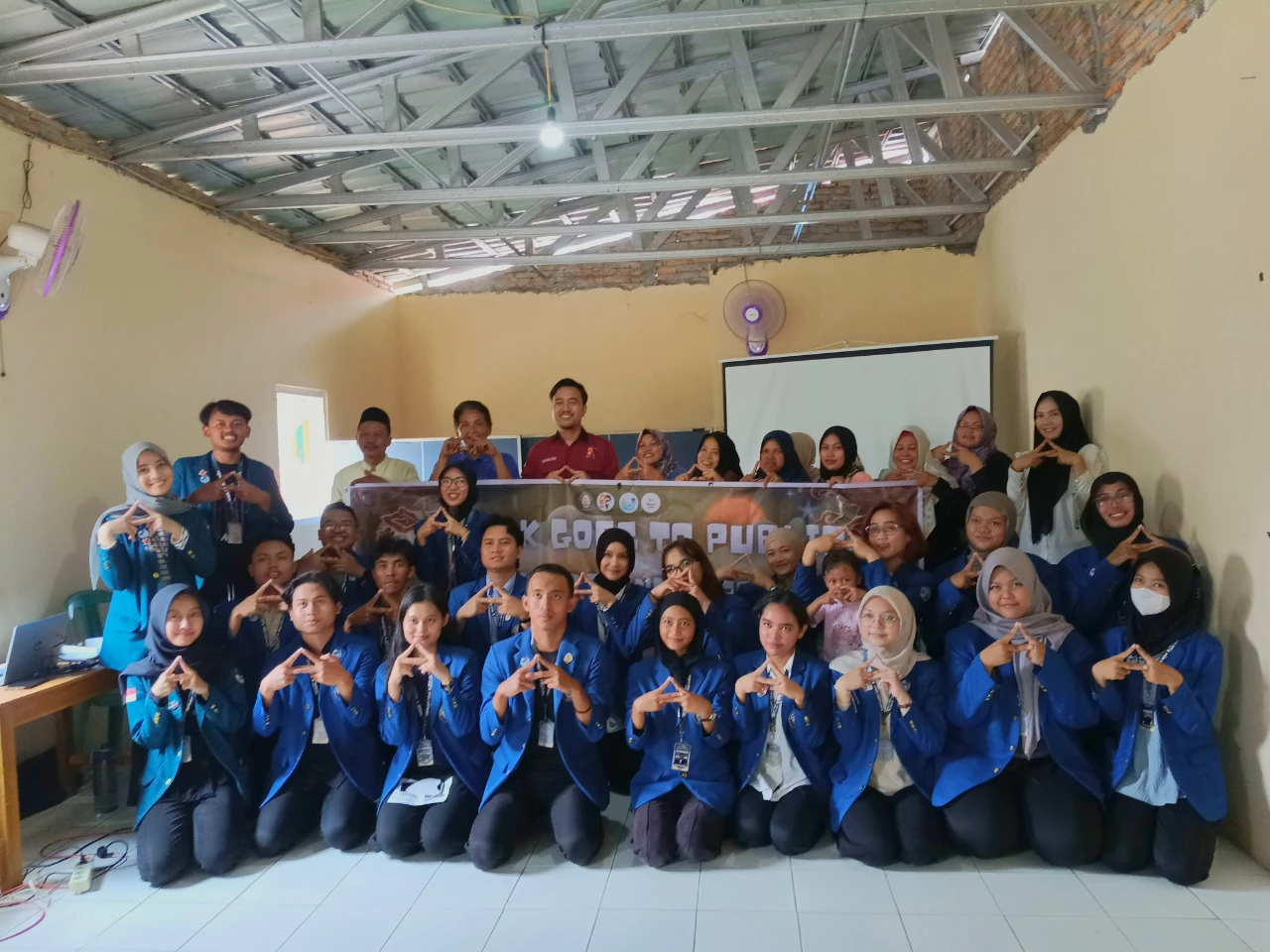
After the completion of the entire clean-up program, the event officially concluded with a group documentation session attended by all committee members and the faculty advisor. The documentation was conducted as an expression of appreciation for the participation of all parties and as tangible evidence of the community service activities carried out. The group photo session also served as a moment to strengthen interpersonal bonds and reinforce the spirit of unity.
With the documentation session drawing to a close, the entire series of activities was formally concluded, with the hope that the implemented program would yield sustainable benefits for the management of the Dung Tungkul tourism site and contribute meaningfully to the empowerment of the local community.