

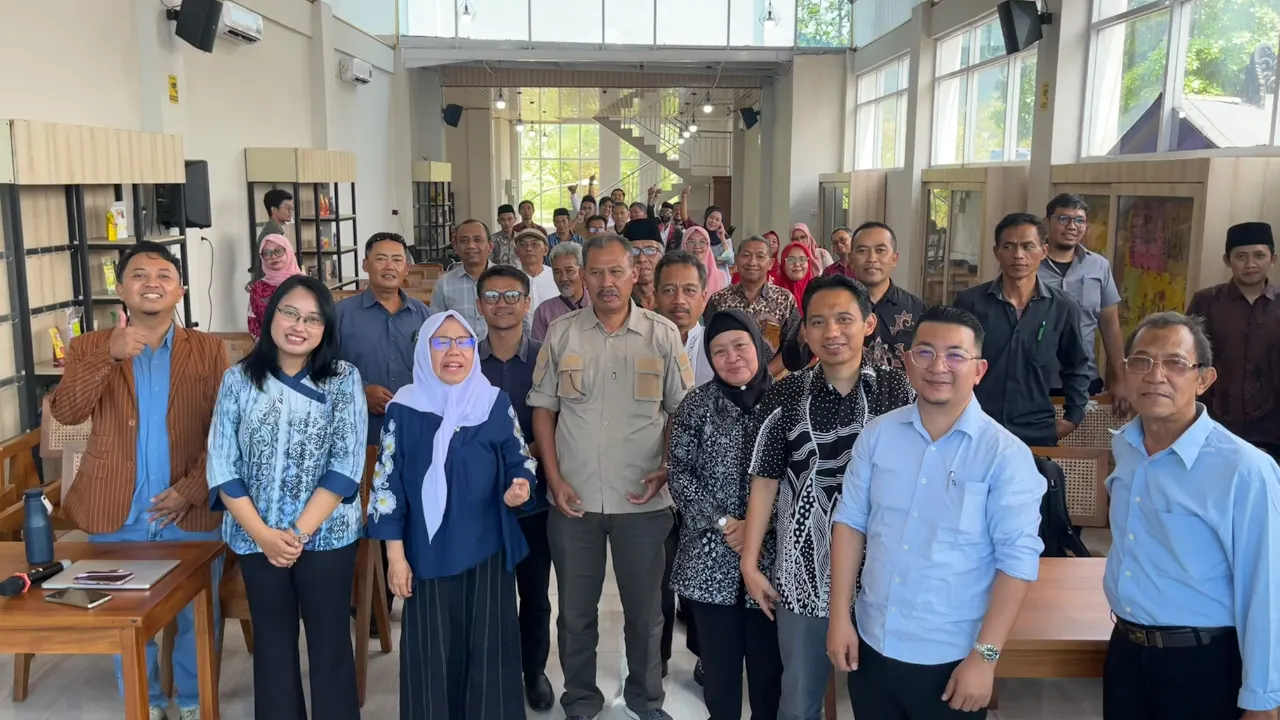
Semarang, November 12, 2026 – Ahead of the Simultaneous Village Head Elections (Pilkades) in Semarang Regency on December 14, 2026, the Faculty of Social and Political Sciences, Diponegoro University (FISIP UNDIP), held an international community service (Abdimas) activity entitled “Encouraging Transparent and Accountable Village Governance through Simultaneous Election Processes” on Thursday (12/11/2026).
The activity, organized by the Expertise Cluster for Bureaucracy and Central, Regional, and Village Government; Department of Politics and Government Science at FISIP UNDIP, took place at the Integrated Business Services Center (PLUT) of Cooperatives and Micro, Small, and Medium Enterprises of Semarang Regency.
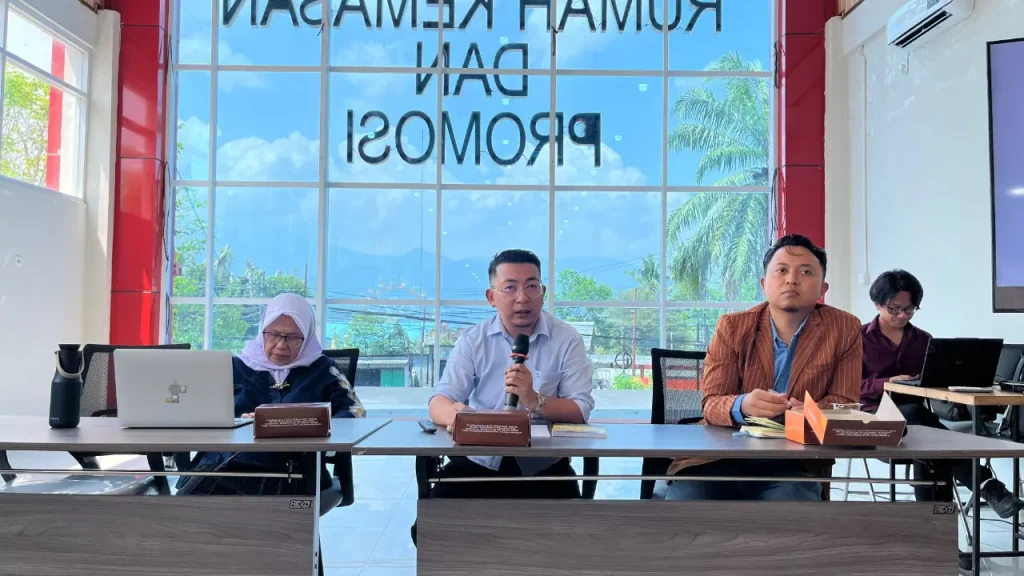
Featuring an academic from Universiti Putra Malaysia, Dr. Phil. Fairuzzaman Shaharuddin, as the keynote speaker, the forum served as a space for exchanging knowledge and experience regarding local democratic practices, village governance, and the challenges of implementing village autonomy, both in Indonesia and Malaysia.
The activity also involved participants from various elements of village government in Semarang Regency, particularly Tuntang Sub-district, ranging from village heads, village head election committees, prospective village head candidates, village government officials, to sub-district apparatus.
In his presentation, Dr. Phil. Fairuzzaman Shaharuddin highlighted the characteristics of Indonesian democracy that provide space for the community to directly elect leaders down to the village level. According to him, this practice is one of the strengths of Indonesian democracy that is interesting to study in a comparative perspective with Malaysia.
“In Indonesia, democracy is grassroots-based, reaching all the way down. In Malaysia, village heads are appointed by the government. This grassroots democracy can actually bring village heads closer to residents,” he stated.
The comparative perspective of Indonesia and Malaysia presented at this forum enriched participants’ understanding of the diverse practices of local governance, particularly in building relationships between government and the community.
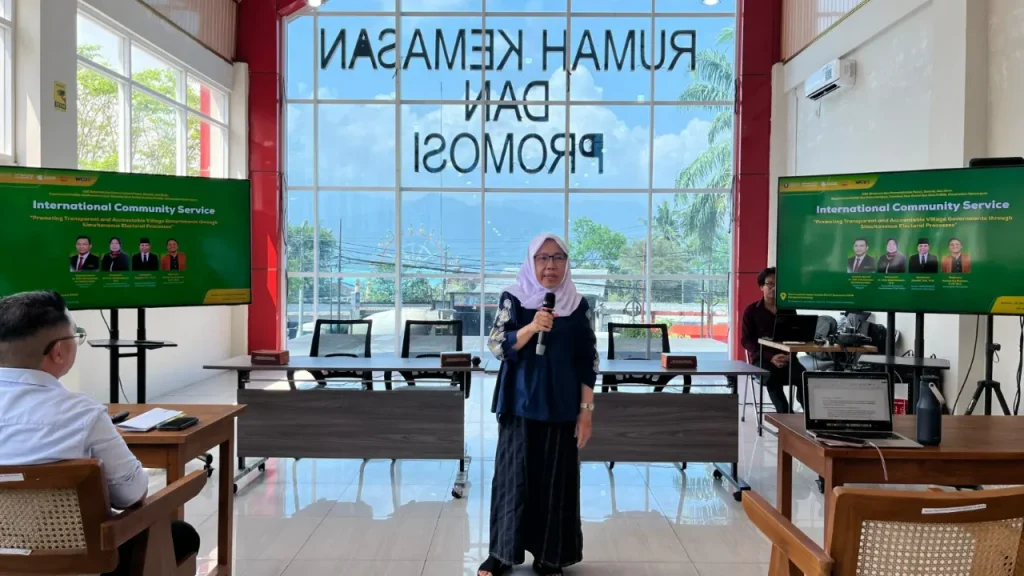
Meanwhile, Dr. Dra. Kushandajani, M.S., as the Chair of the Expertise Cluster for Bureaucracy and Central, Regional, and Village Government, emphasized the importance of understanding the position and characteristics of village autonomy within the Indonesian government system. She also highlighted challenges related to the implementation of village autonomy, particularly policy intervention from supra-village governments that affects the space for decision-making. “I think many village heads are overwhelmed, because almost all decisions at the supra-village level fall down to the village,” she said.
The issue of village autonomy also received attention from the participants present. The Head of Kesongo Village, Supriyadi, S.Pd., also expressed his concerns regarding the magnitude of intervention from both the central and regional governments in the administration of village government. According to him, concrete steps are needed to clarify the position and authority of villages so that the principle of autonomy stipulated in regulations can be implemented consistently.
“Restore village autonomy as it used to be, namely by reviewing the law, or implementing it consequently, or revising the Village Law; the village resolution must be changed, not as it is in the oldest regulation,” he said.
The discussion proceeded interactively through the exchange of views and experiences between academics and participants regarding various challenges of village governance, particularly ahead of the simultaneous Village Head Elections. Through this international community service, the experiences of local governance in Indonesia and Malaysia can be compared as learning materials to strengthen understanding of village democracy and transparent and accountable governance.
This international community service activity also served as a dialogue space between higher education institutions and village government practitioners in identifying various actual issues in the administration of government at the local level. Through the involvement of international scholars and village government stakeholders, FISIP UNDIP strives to encourage knowledge exchange relevant to community needs, as well as strengthen the practice of democratic, transparent, and accountable village governance.