
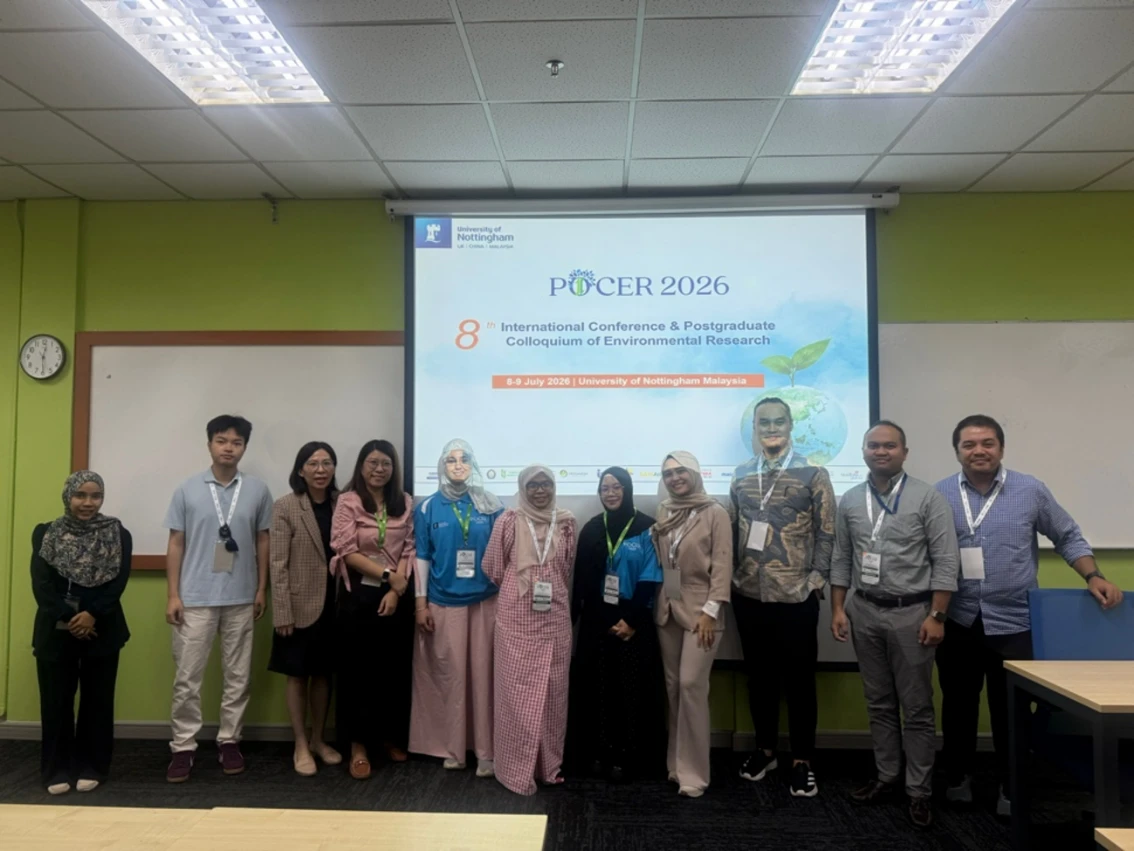
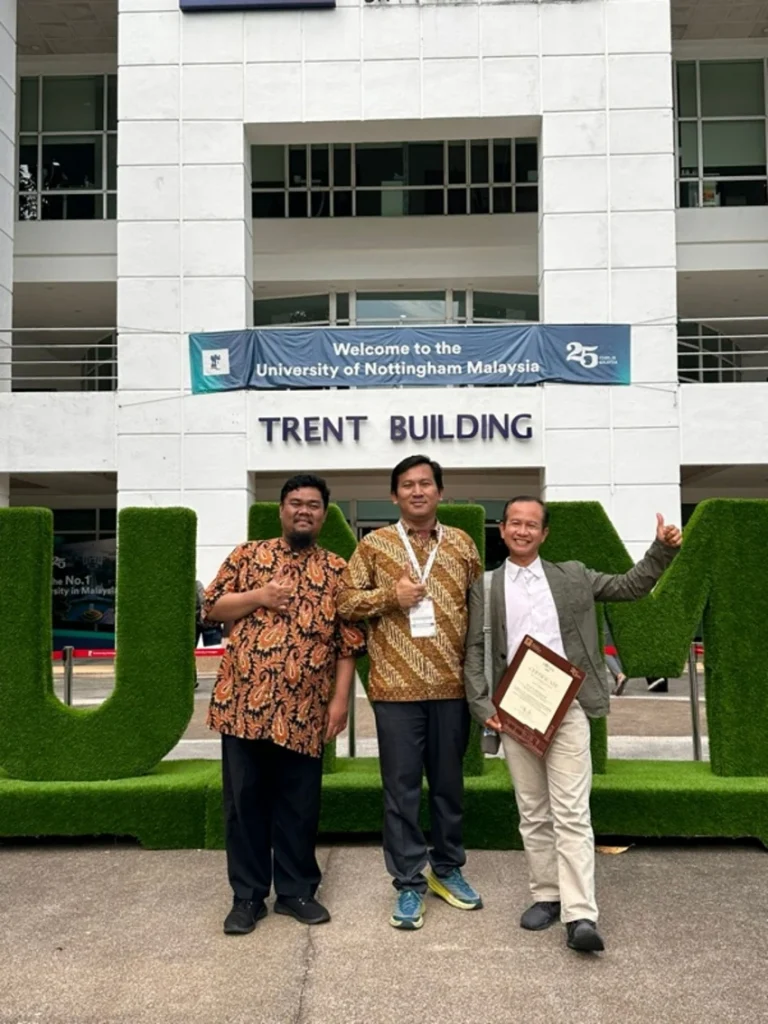
Semarang – The commitment of the Department of Politics and Government, Faculty of Social and Political Sciences (FISIP), Diponegoro University to strengthening academic internationalization has once again been realized through the active participation of four of its academics at The 8th International Conference and Postgraduate Colloquium of Environmental Research (POCER 2026) held on 8–9 July 2026 at the University of Nottingham Malaysia. This international scientific forum brought together researchers, academics, practitioners, and policymakers from various countries to discuss a range of strategic issues related to the environment, climate change, sustainable development, energy transition, governance, and policy innovations supporting the achievement of Sustainable Development Goals (SDGs).
The participation of FISIP UNDIP academics in this international conference demonstrates that the discipline of political science and government is making increasingly significant contributions in addressing global environmental challenges. Issues such as climate change, food security, sustainable consumption, environmental quality, and the governance of natural resources can no longer be understood solely through environmental science approaches; they also require perspectives on governance, public policy, institutions, and community participation.
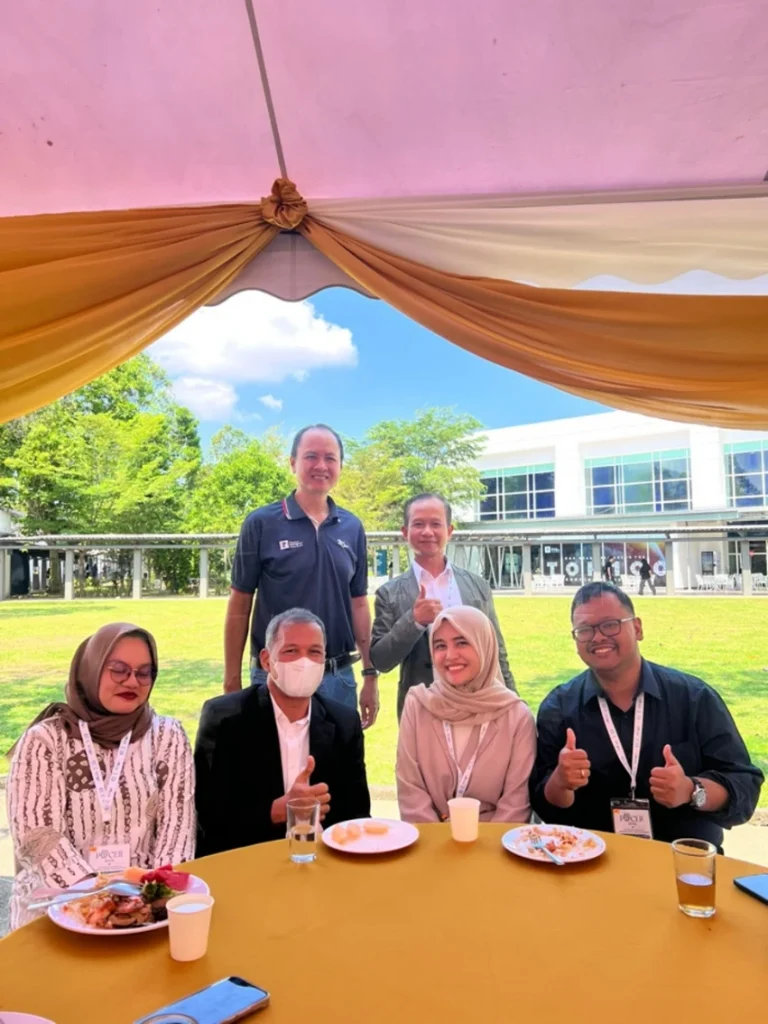
At POCER 2026, the Department of Politics and Government, FISIP UNDIP, was represented by four academics: Hanifa Maylasari, S.IP., M.IP., Ph.D., Dr. Bangkit Aditya Wiryawan, Nuruddin Al Akbar, M.A., and Faiz Kasyfilham. All four presented research findings addressing contemporary issues of environmental politics, governance, sustainable development, and changes in community behavior in facing the challenges of environmental crises.
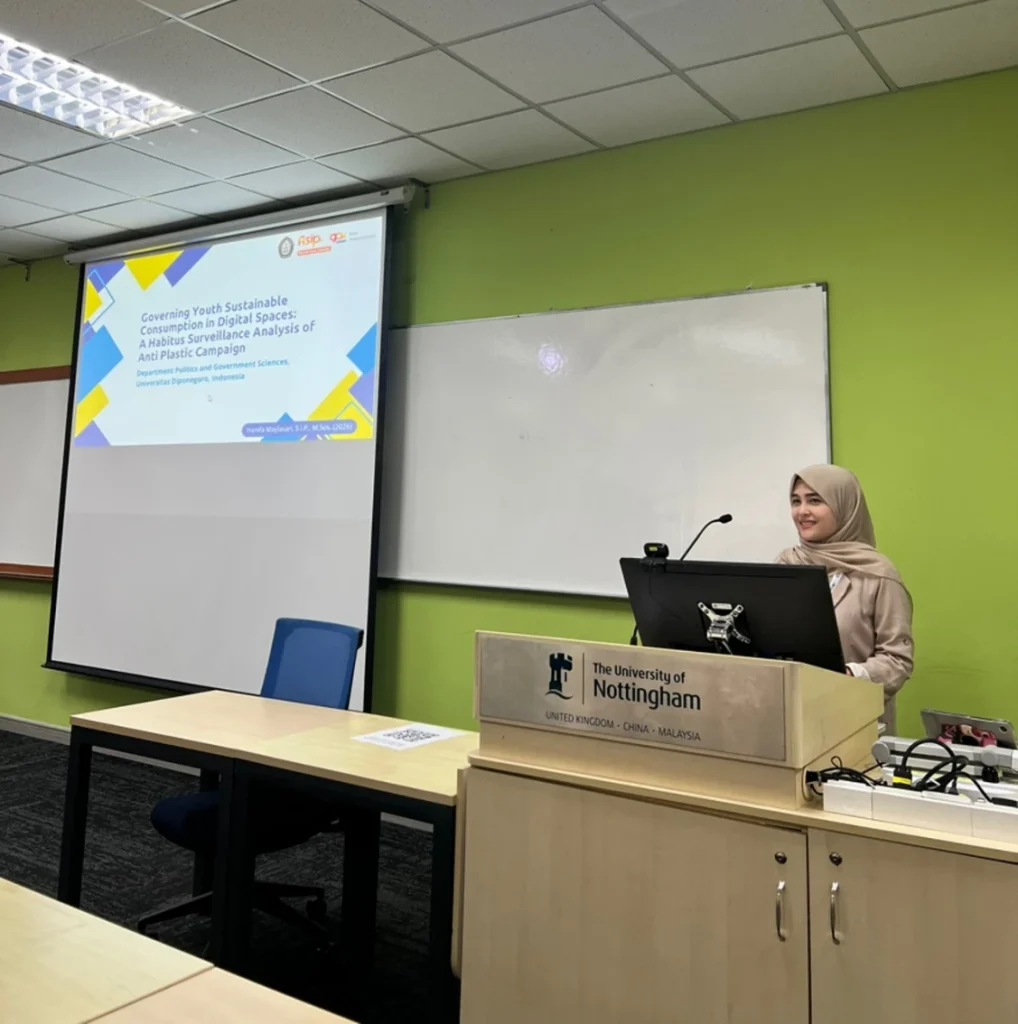
Hanifa Maylasari presented research titled “Governing Youth Sustainable Consumption in Digital Spaces: A Habitus Surveillance Analysis of Anti Plastic Campaign.” This study examines how digital spaces shape sustainable consumption behavior among the younger generation through single-use plastic reduction campaigns. Using a habitus and surveillance perspective, the research explains how digital media, online communities, and various social actors contribute to the formation of environmentally friendly norms and behaviors among young people.
Dr. Bangkit Aditya Wiryawan presented a paper titled “Local Political Dynasty and Environmental Quality in Indonesia.” This study explores the relationship between the presence of political dynasties at the local level and environmental quality in Indonesia. The study provides a new perspective on how the configuration of local political power can influence the effectiveness of environmental policies, the capacity of local governments, and the success of sustainable development. These findings make an important contribution to the development of environmental politics and governance studies in Indonesia.
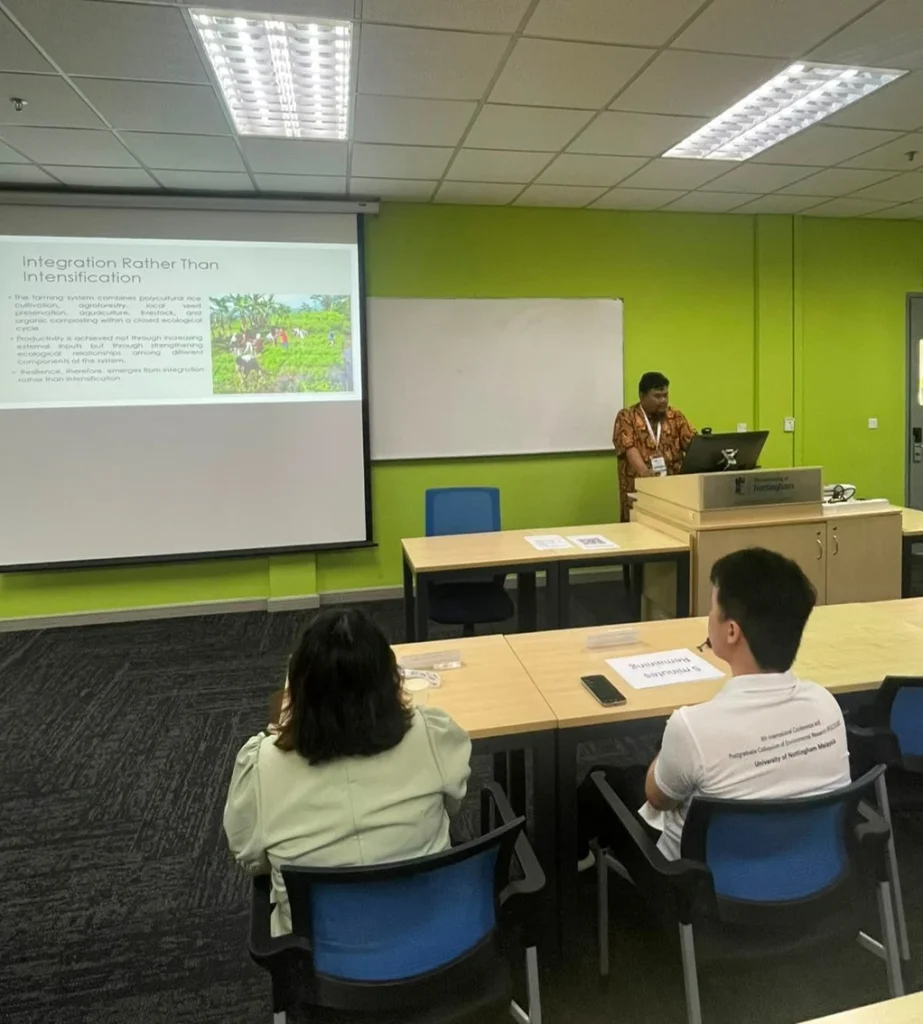
Another study was presented by Nuruddin Al Akbar, M.A. through a paper titled “Small-Scale Integrated Agroecology for Climate-Resilient Food Systems: Evidence from a Faith-Based Institution in Indonesia.” The analysis discusses the implementation of small-scale integrated agroecology as a strategy to build climate-resilient food systems through an institutional approach based on religious communities in Indonesia. This research shows that social and religious institutions play a strategic role in promoting sustainable farming practices, strengthening local food security, and enabling communities to adapt to climate change.
Another delegate from the Department of Politics and Government, Faiz Kasyfilham, also presented a paper titled “Silencing the Mine-Affected: Cultural Instrumentalization and the Depoliticization of Social Conflict in Mining Projects.” This article, using a case study in Banyuwangi, argues that the instrumentalization of culture within mining governance serves as a mechanism for depoliticizing socio-ecological conflicts. By constructing culturally positive narratives (framing), both the corporation and the state obtain legitimacy without necessarily resolving the structural inequalities faced by local communities. Consequently, culture functions not merely as a collective identity, but as an instrument for perpetuating dominance and constraining the articulation of critical voices against extractive projects.
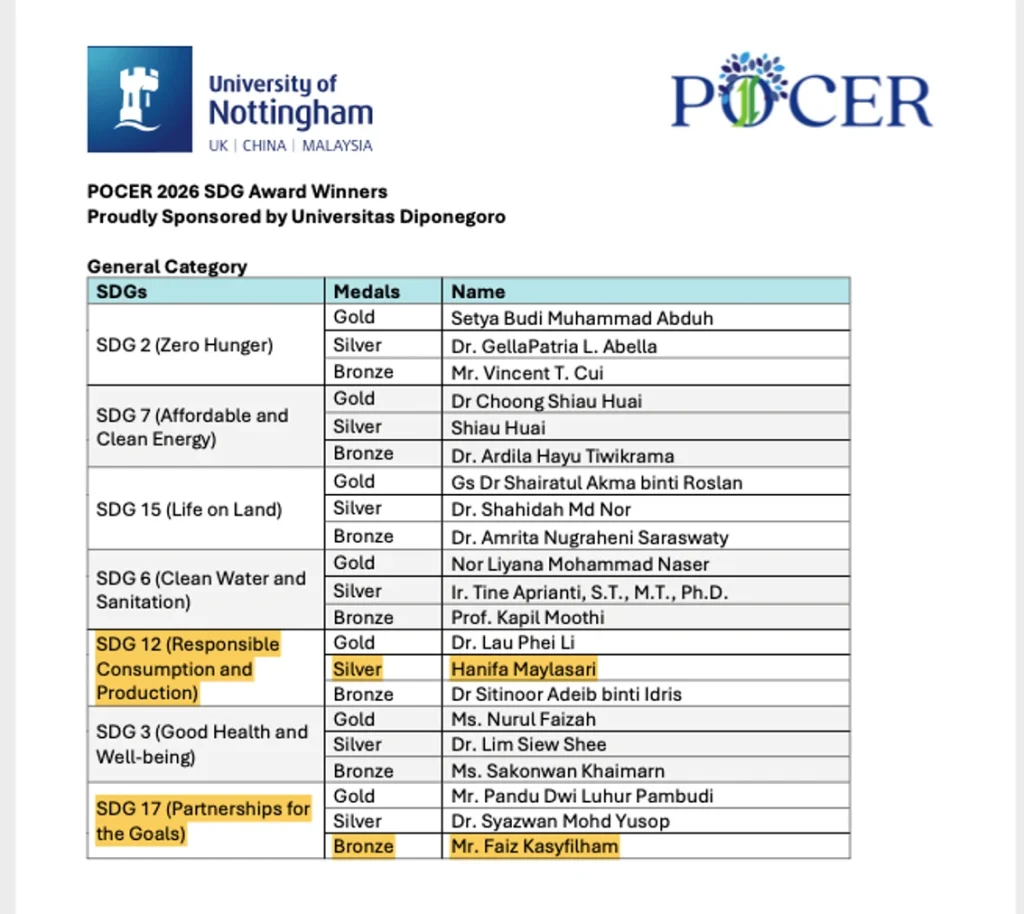
Achieving the POCER 2026 SDG Award Winners Silver Medal in the SDG 12 (Responsible Consumption and Production) category was Hanifa Maylasari, while the Bronze Medal in the SDG 17 (Partnerships for the Goals) category was awarded to Faiz Kasyfilham. Both delegates from FISIP Undip were able to demonstrate research with sustainable impact for the future.
 |
 |
All delegates successfully showcased the increasingly broad spectrum of research being developed in the Department of Politics and Government, FISIP UNDIP. Not only focused on local political issues, the research conducted by lecturers and researchers has also expanded towards studies in environmental governance, climate governance, sustainable development, food security, digital governance, as well as various forms of public policy innovation supporting sustainable development.
Participation in international conferences is also an important means to strengthen global academic networks. Through forums like POCER 2026, academics gain opportunities to discuss research findings with researchers from many countries, receive input from international experts, and open opportunities for interdisciplinary research collaboration that can lead to reputable international publications and future research partnerships.
Besides serving as a venue for disseminating research results, POCER 2026 also highlighted the increasing attention of the international academic community to the importance of multidisciplinary approaches in solving environmental problems. Perspectives from political science, public administration, governance, and public policy are now inseparable components of designing solutions for the challenges of climate change, environmental degradation, food security, and inclusive development.
The success of the four academics from the Department of Politics and Government, FISIP UNDIP, as presenters at this international forum is expected to further strengthen the reputation of Diponegoro University as a higher education institution actively contributing to the advancement of knowledge at the global level. Their participation is also part of efforts to support the university’s internationalization program, increase internationally reputable publications, strengthen global research networks, and achieve the vision of Diponegoro University as a World Class University producing research with an impact on society and sustainable development.