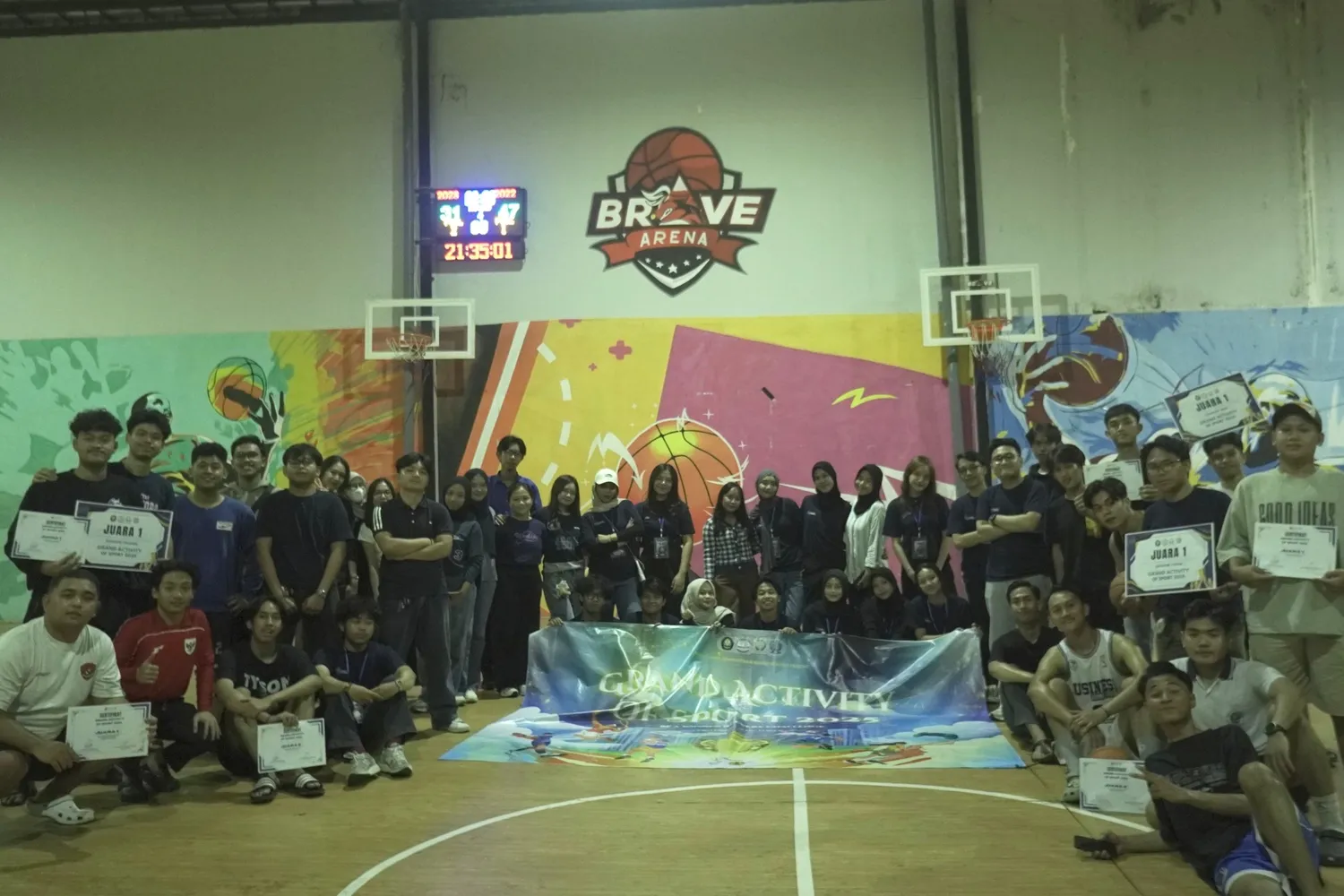
Departemen Mikat dan Bakat HMPS Administrasi Bisnis FISIP UNDIP sukses menyelenggarakan Grand Activity of Sport 2025 (GAS), sebuah ajang olahraga tahunan yang mempertemukan semangat kompetisi dan kebersamaan antarangkatan mahasiswa Administrasi Bisnis. Kegiatan ini berlangsung selama tujuh hari, mulai Jumat, 3 Oktober hingga Kamis, 9 Oktober 2025, dengan berbagai pertandingan yang digelar di beberapa lokasi seperti Brave Arena, GOR Bulutangkis Wakiki, Stadion Futsal UNDIP, Crown, Press Start ID, dan Burjo Kane.
Kegiatan ini bertujuan untuk mewadahi minat dan bakat mahasiswa Administrasi Bisnis dalam bidang olahraga, sekaligus mempererat solidaritas antarangkatan. Selain itu, Grand Activity of Sport juga menjadi wadah untuk membangun iklim prestasi dan kompetisi sehat, serta mengajak mahasiswa untuk tetap aktif dan produktif di luar kegiatan akademik.
Acara ini diikuti oleh sekitar 300 peserta yang terdiri dari mahasiswa Administrasi Bisnis angkatan 2022, 2023, 2024, dan 2025, serta 29 panitia penyelenggara dari HMPS Administrasi Bisnis. Setiap angkatan berpartisipasi dalam berbagai cabang olahraga, baik konvensional maupun e-sport, dengan semangat sportivitas yang tinggi.
Grand Activity of Sport dimulai pada 3 Oktober 2025 dengan pembukaan cabang olahraga Basket di Brave Arena, dilanjutkan dengan berbagai pertandingan hingga 9 Oktober 2025 yang menjadi acara penutupan dan awarding night. Setiap cabang olahraga dilaksanakan di lokasi berbeda sesuai dengan kebutuhan, mulai dari arena futsal hingga tempat e-sport yang berfasilitas lengkap.
Tahun ini, GAS 2025 mempertandingkan tiga cabang olahraga, yaitu Basket, Futsal, dan Badminton untuk kategori olahraga fisik, serta Mobile Legend dan FIFA (E-Football) untuk kategori e-sport, dan cabang billiard. Seluruh cabang melibatkan babak penyisihan, semifinal, dan final yang berjalan meriah. Kegiatan berlangsung lancar dengan antusiasme tinggi dari peserta maupun penonton.
Berbagai angkatan menunjukkan performa terbaiknya. Administrasi Bisnis 2023 keluar sebagai juara umum dengan kemenangan di beberapa cabang seperti futsal dan basket. Administrasi Bisnis 2022 dan 2024 juga menorehkan prestasi di kategori badminton dan billiard. Acara ditutup dengan sesi awarding yang memberikan apresiasi kepada para pemenang serta panitia yang telah berkontribusi dalam suksesnya kegiatan ini.Grand Activity of Sport 2025 bukan sekadar ajang pertandingan, tetapi juga bukti nyata bahwa semangat kompetisi dan solidaritas dapat berjalan berdampingan.
Melalui kegiatan ini, mahasiswa tidak hanya mengasah kemampuan olahraga, tetapi juga membangun kerja sama, disiplin, dan rasa kebersamaan yang kuat antarangkatan. Dengan tema “Be a Winner in Every Challenge”, GAS 2025 menjadi simbol bahwa setiap mahasiswa mampu menjadi pemenang, bukan hanya di arena olahraga, tetapi juga dalam menghadapi tantangan kehidupan kampus