
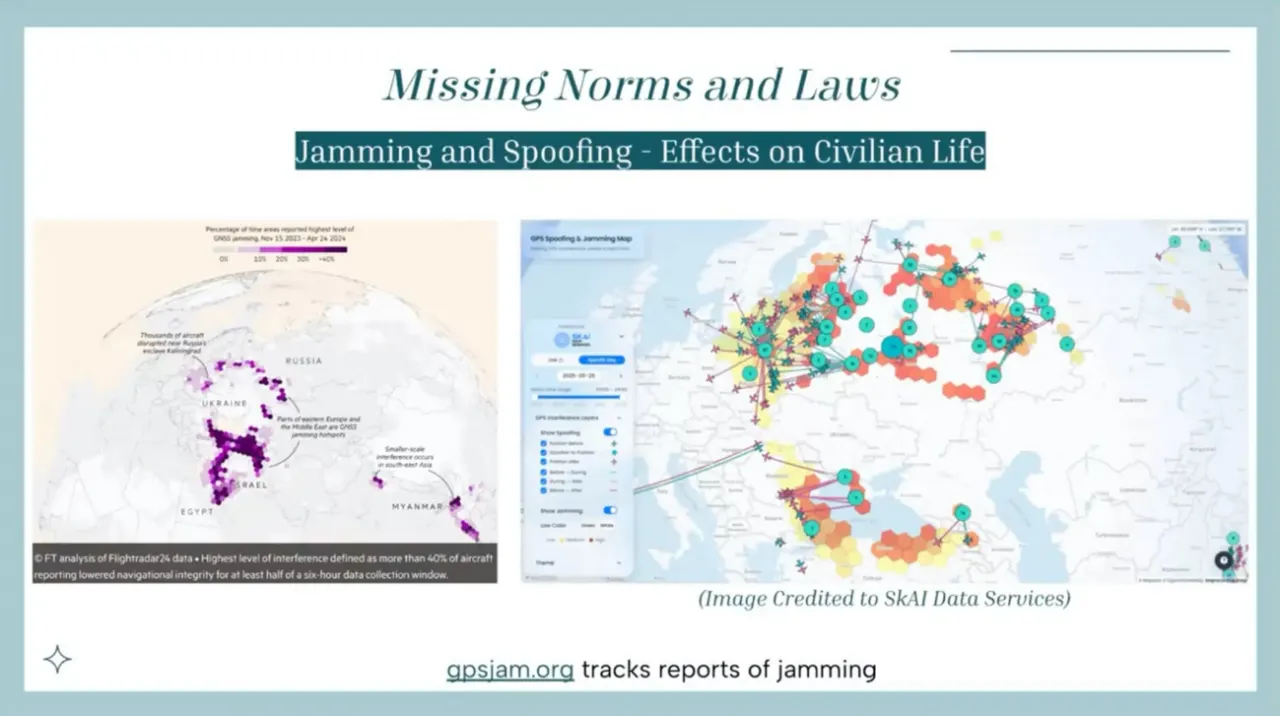
Semarang – The Department of Politics and Government (DPIP), Faculty of Social and Political Sciences (FISIP), Diponegoro University (UNDIP) once again organized an international lecture program titled UNDIP Global Classroom, raising the theme “Introduction to Outer Space Politics” on Friday, November 20, 2026. The event, held online via the Zoom platform starting at 09:00 WIB, featured Kiely Paris-Rodriguez, a researcher from the Outer Space Institute, The University of British Columbia (UBC), Canada, as the main speaker. This academic activity also involved Drs. Yuwanto, M.Si., Ph.D. as Head of the Political Theory and Democracy Expertise Group (KBK), and was directly hosted and moderated by Nuruddin Al Akbar, M.A., DPIP FISIP UNDIP lecturer.
 |
 |
Through this forum, students and participants were invited to broaden their perspective on political science studies by understanding that outer space is no longer solely the domain of astronomy, science, or technology. More than that, outer space has developed into an arena of global political contestation involving various interests of states, private corporations, and the international community, where every activity that occurs in orbit has direct consequences for human life on Earth.
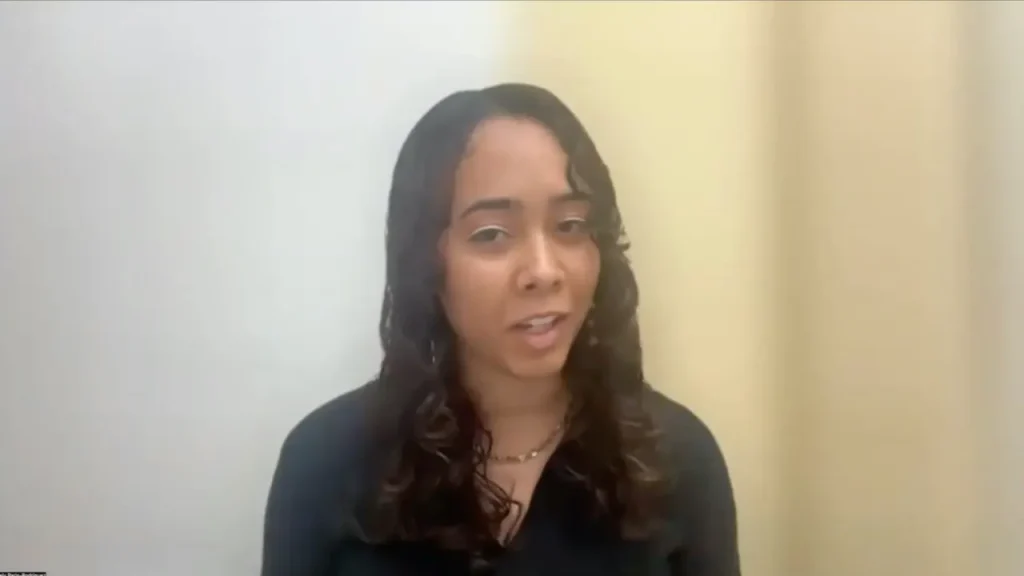
In her presentation, Kiely Paris-Rodriguez explored the historical development of human activity in outer space by dividing it into two main periods: the First Space Age, which took place during the Cold War era, and the Second Space Age, which has been developing since the 1990s to the present. She highlighted the launch of the Sputnik satellite in 1957 as a milestone marking the beginning of the modern space era, which at that time was closely tied to political and military rivalry between the two superpowers, the United States and the Soviet Union. According to the data presented, throughout the 1960s, around 93 percent of satellite launches were dominated by these two countries, with approximately 70 percent used for military purposes. This historical dynamic shows that activity in outer space directly reflects the configuration of power and geopolitics on Earth, which has become increasingly complex in the Second Space Age with the emergence of non-state actors, especially commercial private companies, into outer space governance.
In addition to highlighting the geopolitical aspect, the discussion also paid serious attention to the issue of outer space environmental sustainability. Kiely emphasized that, similar to Earth’s ecosystems, the orbital space around our planet also has limited carrying capacity (orbital capacity). The increasing number of commercial satellite launches and mission residues has led to the threat of space debris, which demands stricter regulation and global governance cooperation in the future. Through the implementation of the UNDIP Global Classroom, the academic community of FISIP UNDIP is expected to enrich their perspective on contemporary cross-border political issues while strengthening international-scale collaborative learning networks.