

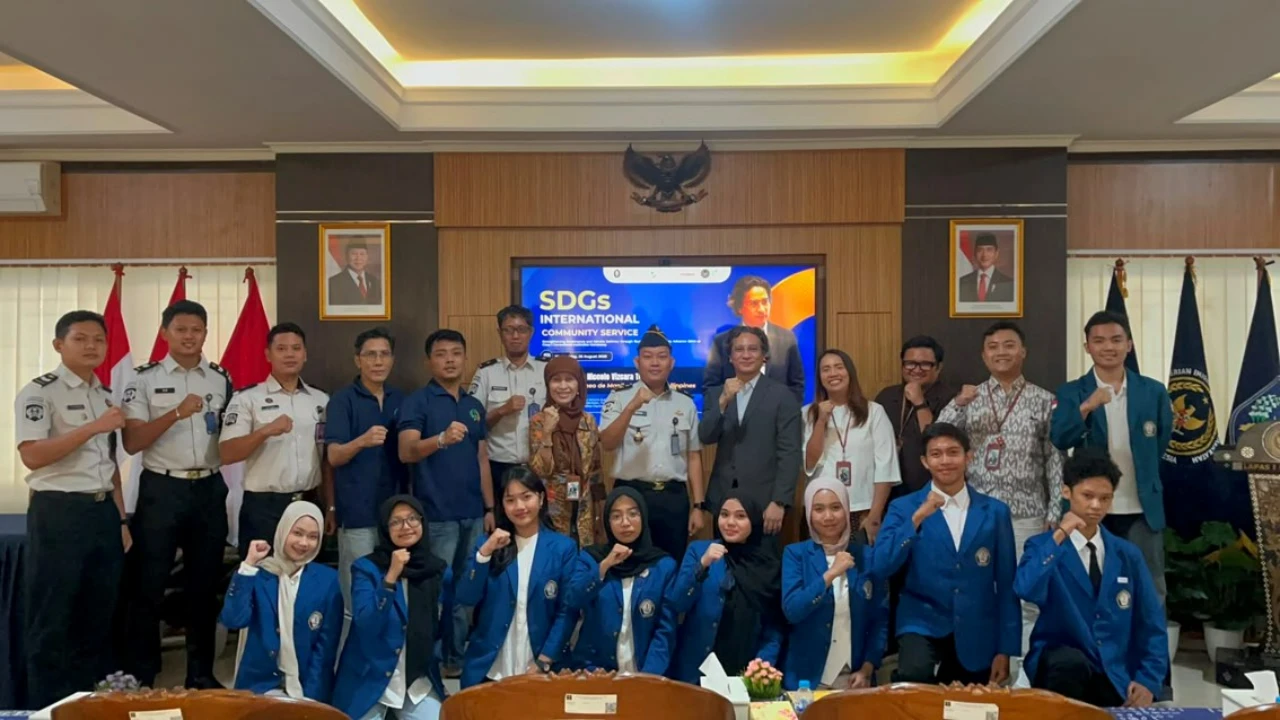
Semarang, 26 August 2026 — Academic Expertice Cluster Bereaucratic Reform, Department of Public Administration, Faculty of Social and Political Sciences, Universitas Diponegoro organized an SDGs International Community Service program at the Semarang Class I Correctional Institution on Wednesday, 26 August 2026.
Carrying the theme “Strengthening Governance and Service Delivery through Bureaucratic Reform to Advance SDGs at Class I Correctional Institution Semarang,” the program provided a collaborative platform for academics, practitioners, and correctional officials to deepen understanding of correctional governance, bureaucratic reform, public service delivery, accountability, and their contribution to achieving the Sustainable Development Goals (SDGs).
Welcomed by the Dean of FISIP Undip
Prior to the visit to the Semarang Class I Correctional Institution, the international delegation was welcomed by the Dean of Faculty of Social and Political Sciences Universitas Diponegoro, Prof. Dr. Drs. Teguh Yuwono, M.Pol.Admin, at FISIP Undip.
The meeting formed part of FISIP Undip’s efforts to strengthen its international networks, particularly through academic collaboration and community engagement involving international partners and international organizations.
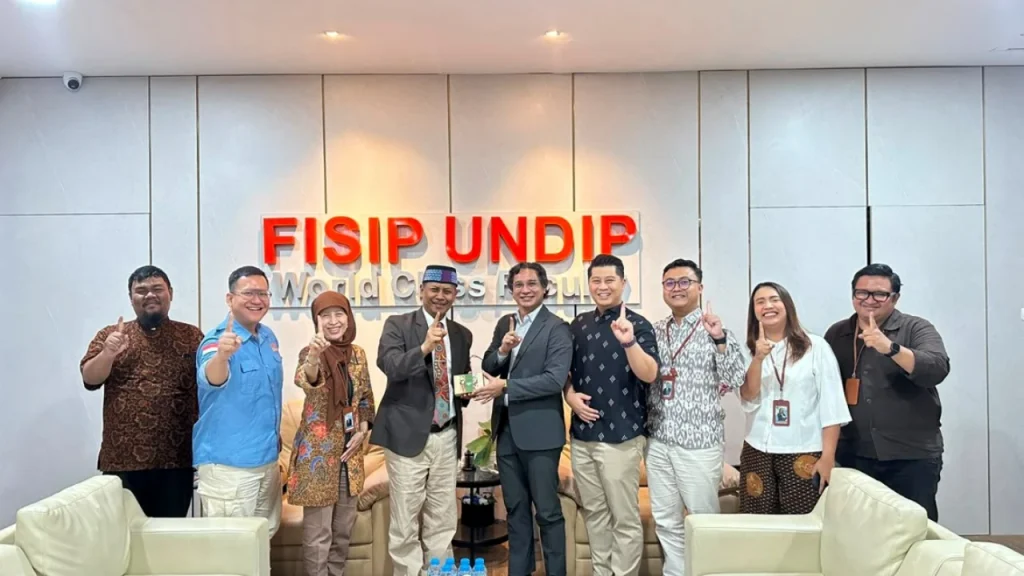
In his remarks, Prof. Dr. Drs. Teguh Yuwono, M.Pol.Admin expressed his appreciation for the collaboration initiated by the Department of Public Administration through the SDGs International Community Service program.
“International collaboration such as this is important because it brings our academic activities closer to the real challenges faced by public institutions. We hope that this collaboration will not end with a single activity, but will continue to develop through education, research, and community service. It is also part of FISIP Undip’s commitment to strengthening its international network as we move towards becoming a World Class Faculty.”
The program also supports Universitas Diponegoro’s broader efforts to strengthen internationalization and enhance the contribution of higher education institutions to addressing public issues through collaborative and impactful academic approaches.
Bringing Together Academics and Criminal Justice Practitioners
The SDGs International Community Service program featured Ian Niccolo Vizcarra Tobia, PhD (Nick Tobia) from Ateneo de Manila University, Philippines, as well as Rabby Pramudatama, S.IP., LL.M., Programme Coordinator for Criminal Justice at the United Nations Office on Drugs and Crime (UNODC) Indonesia.
The participation of academics and practitioners with expertise in criminal justice and prison reform created an opportunity to exchange perspectives on correctional governance, services for inmates, and developments in correctional reform within both Indonesian and international contexts.
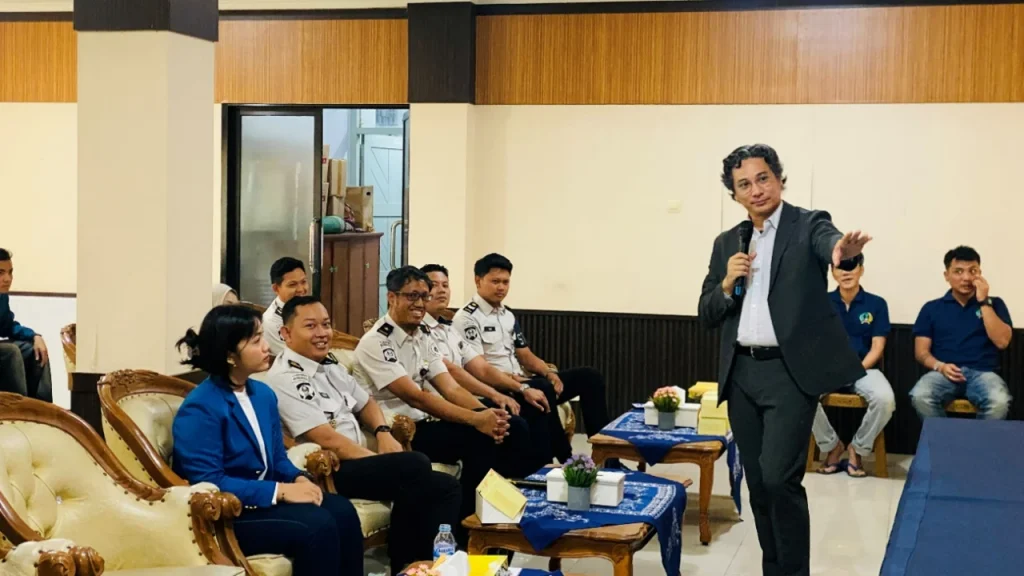
From FISIP Universitas Diponegoro, the program involved Dr. Dyah Lituhayu, M.Si.; Drs. R. Slamet Santoso, M.Si.; Satria Aji Imawan, S.I.P., MPA; Damaris Bernike Bellastuti, M.A.; and Yoga Aldi Saputra, S.A.P., MPA, representing the Bureaucratic Reform Expertise Group of the Department of Public Administration, FISIP Undip. The activity also involved 15 students.
Student participation was an important component of the program, as it provided them with an opportunity to directly observe how concepts of governance, public service delivery, bureaucratic reform, and accountability are applied within a correctional institution.
Welcomed by the Semarang Class I Correctional Institution
The main program was held from 1:00 p.m. to 3:00 p.m. WIB at Aula Merdeka, Semarang Class I Correctional Institution. The delegation was welcomed by Dena Anggika Prayogo, A.Md.I.P., S.H., M.H., Head of the Community Guidance Section of the Semarang Class I Correctional Institution, together with correctional staff.
In his welcoming remarks, Dena Anggika Prayogo expressed his appreciation for the visit by the FISIP Undip team, international partners, UNODC Indonesia, and students, who were given the opportunity to gain a closer understanding of the institution’s various rehabilitation and service programs.
“We warmly welcome this program as a space for sharing experiences while also gaining perspectives from academics and international partners. We hope this visit will provide a more comprehensive understanding that corrections is not solely concerned with security, but also with rehabilitation, service delivery, and preparing inmates to return to and contribute positively to society.”
The dialogue held at Aula Merdeka addressed various aspects of correctional administration, ranging from institutional governance and services for inmates to rehabilitation programs and the challenges involved in advancing reform and improving service quality within correctional institutions.
Observing Inmate Self-Reliance Development Programs
Following the discussion session, the delegation continued the program by visiting several self-reliance development units for inmates at the Semarang Class I Correctional Institution.
The units visited included a catfish farming facility, batik production unit, bakery unit, and laying-hen farm. Through these visits, participants gained first-hand insight into the vocational skills and productivity programs provided to inmates.
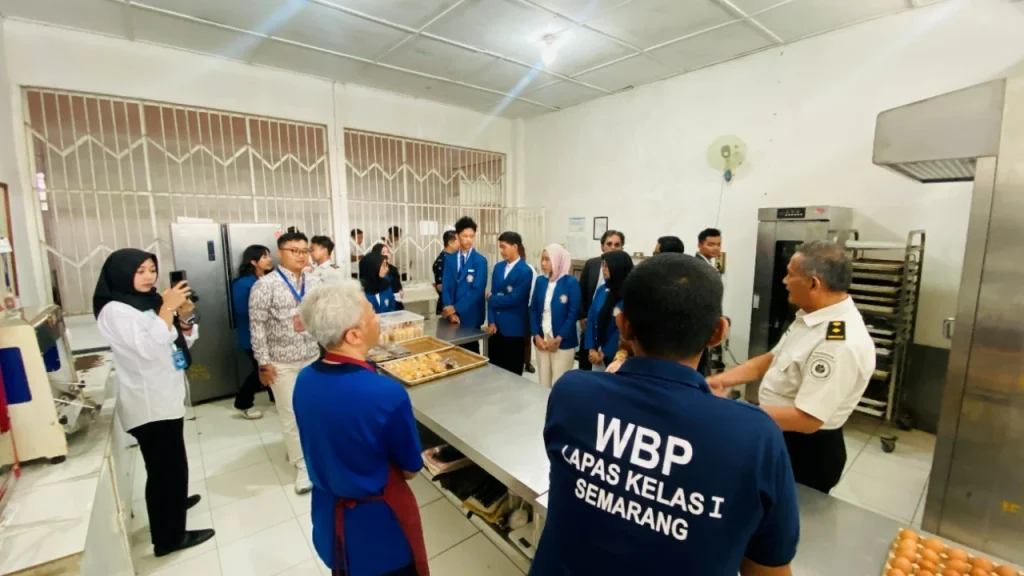
Self-reliance development programs are an important part of the correctional process because they not only provide inmates with practical skills during their period of incarceration, but also equip them with capabilities that can support their social reintegration after returning to the community.
The field visit also enriched the discussion on how correctional services should be viewed not only from the perspectives of security and administration, but also in terms of rehabilitation, empowerment, the fulfillment of rights, and social reintegration.
Connecting Prison Reform with the SDGs
Through this program, prison reform was positioned as an integral part of the broader agenda of public governance and sustainable development. Strengthening effective, accountable, inclusive, and service-oriented correctional institutions is particularly relevant to SDG 16: Peace, Justice and Strong Institutions.
The program also highlighted the importance of collaboration among universities, correctional institutions, international organizations, and students in creating spaces for learning and knowledge exchange on public sector reform.
Through the SDGs International Community Service, the Bureaucratic Reform Expertise Group of the Department of Public Administration, FISIP Undip, seeks to develop a model of community engagement that goes beyond knowledge transfer by promoting dialogue, mutual learning, international collaboration, and the strengthening of public-sector governance practices.
The program is expected to serve as a foundation for further collaboration in the areas of prison reform, governance, public service delivery, criminal justice, and the Sustainable Development Goals, while strengthening the contribution of FISIP Universitas Diponegoro to international academic networks and advancing its commitment to becoming a World Class Faculty that creates meaningful impact and benefits society.